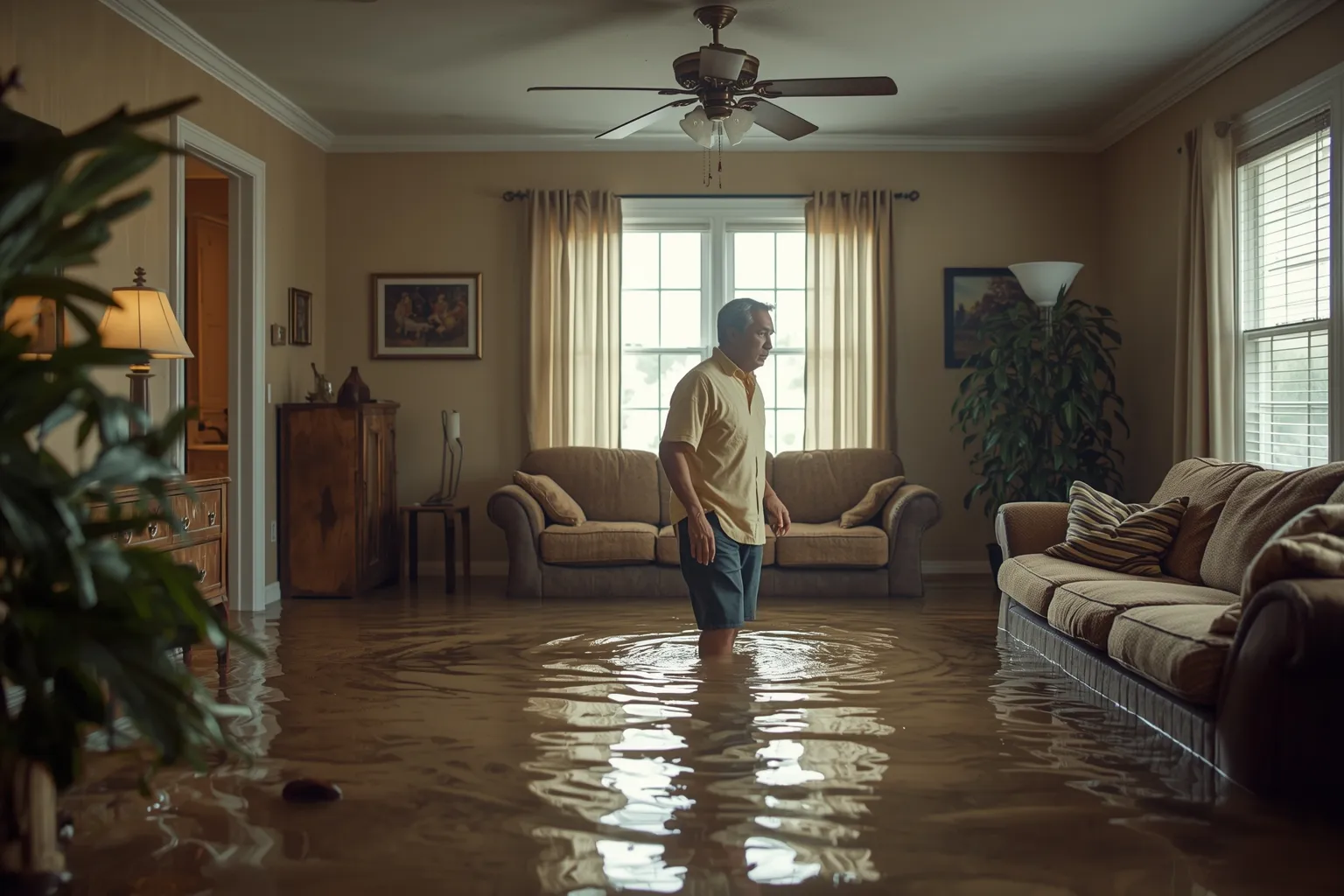
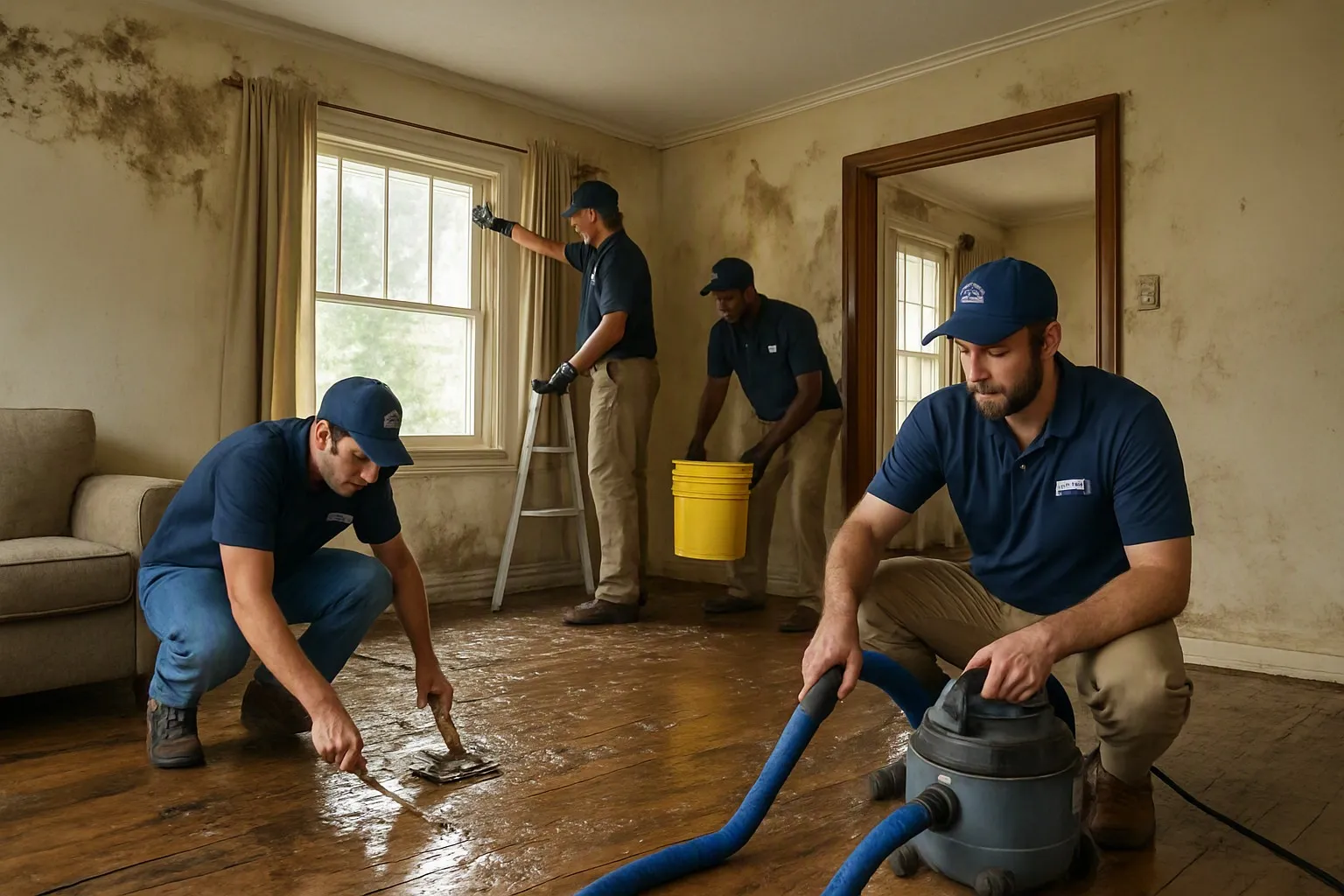
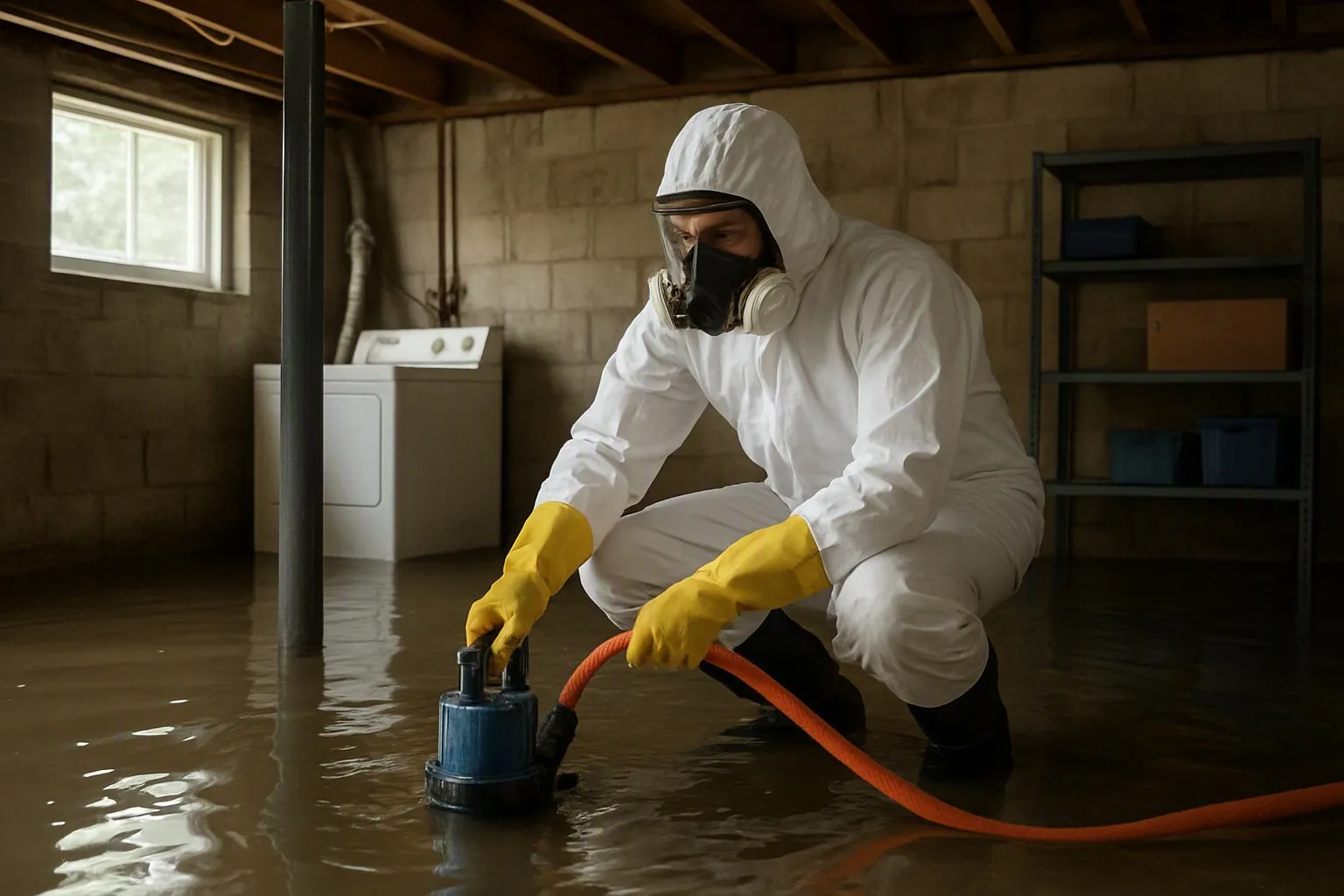
Water damage is one of the most common — and most expensive — problems a homeowner can face. Whether it is a burst pipe at 2 a.m., a slow leak behind a wall, or storm flooding, the cost to put things right depends on a handful of key factors. This guide breaks down water damage restoration costs in detail so you know what to expect, what drives the price up or down, and how to avoid overpaying.

Average Water Damage Restoration Cost
On average, professional water damage restoration costs $1,300 to $5,600 for a typical residential job. Small, clean-water jobs contained to one room can run just a few hundred dollars, while major losses involving sewage or whole-home flooding can climb well past $20,000. The single biggest lever on price is how quickly the water is removed and the structure dried — every hour of delay increases the risk of mold and structural damage, which multiplies the final bill.
| Project Size | Typical Cost Range | Example Scenario |
|---|---|---|
| Minor (1 room, clean water) | $150 – $1,500 | Small supply-line leak, caught early |
| Moderate (multiple rooms) | $1,500 – $5,000 | Burst pipe affecting a floor and drywall |
| Major (large area / contaminated) | $5,000 – $15,000 | Basement flood or sewage backup |
| Severe (whole home) | $15,000 – $25,000+ | Storm flooding across an entire home |
Cost by Water Category (Clean, Gray & Black Water)
Restoration professionals classify water into three categories based on how contaminated it is. The more hazardous the water, the more protective equipment, sanitizing, and disposal are required — and the higher the cost per square foot.
| Category | Water Source | Contamination | Cost per Sq Ft |
|---|---|---|---|
| Category 1 – Clean | Supply lines, faucets, rainwater | None | $3.00 – $4.00 |
| Category 2 – Gray | Dishwashers, washing machines, overflow | Some contaminants | $4.00 – $6.50 |
| Category 3 – Black | Sewage, river flooding, standing water | Hazardous / biohazard | $7.00 – $7.50+ |
Clean water that sits too long can degrade to gray or black water, which is one more reason fast response saves money. A Category 1 job that turns into a Category 3 cleanup after two days can easily double in price.
Cost by Affected Area or Room
Where the water damage happens matters. Basements and multi-room losses cost more because of square footage, finishing materials, and the risk of hidden moisture in walls and subfloors.
| Area | Typical Restoration Cost | What Affects the Price |
|---|---|---|
| Bathroom | $150 – $3,000 | Tile, fixtures, hidden supply-line leaks |
| Kitchen | $1,000 – $5,000 | Cabinets, flooring, appliance connections |
| Bedroom / Living room | $1,000 – $6,000 | Carpet, drywall, furniture |
| Ceiling & walls | $500 – $3,000 | Drywall removal, leak-source repair, repaint |
| Basement | $500 – $15,000 | Square footage, flooding depth, finishing |
| Whole home | $5,000 – $25,000+ | Total area, category of water, reconstruction |

Cost by Service Type
A restoration project is really a sequence of services. Depending on the severity, you may pay for some or all of the following.
| Service | Typical Cost | When It’s Needed |
|---|---|---|
| Emergency water extraction | $100 – $400 per visit | Standing water present |
| Structural drying & dehumidification | $2,000 – $4,000 | Almost every job |
| Mold remediation | $1,100 – $3,400 | Water sat 24–48+ hours |
| Sewage / black-water cleanup | $2,000 – $10,000 | Category 3 water |
| Reconstruction & repairs | $2,000 – $20,000+ | Drywall, flooring, cabinets replaced |
What Factors Affect Water Damage Restoration Cost?
- Water category — clean, gray, or black water (the biggest driver)
- Size of the affected area — measured in square feet
- How long the water sat — delays cause mold and structural rot
- Type of materials affected — hardwood, drywall, carpet, and cabinets each dry (or need replacing) differently
- Extent of hidden moisture — water inside wall cavities and subfloors requires more equipment and time
- Reconstruction needed — simple drying is far cheaper than tearing out and rebuilding
- Location and accessibility — basements and hard-to-reach areas cost more
Classes of Water Damage
Alongside categories (contamination), professionals also rate the class of water damage, which reflects how much water there is and how hard it is to dry. Higher classes need more equipment and drying time, which raises the cost.
| Class | Description | Drying Difficulty |
|---|---|---|
| Class 1 | Small area, minimal absorption | Easiest |
| Class 2 | Entire room, carpet and walls affected | Moderate |
| Class 3 | Water from above; ceilings, walls, floors saturated | Hard |
| Class 4 | Specialty drying (hardwood, concrete, plaster) | Most difficult |
Does Homeowners Insurance Cover the Cost?
In many cases, yes. Sudden and accidental water damage — like a burst pipe — is typically covered by homeowners insurance, while gradual leaks and natural flooding usually are not (flooding requires separate flood insurance). If your loss is covered, your out-of-pocket cost may be limited to your deductible. A good restoration company documents all damage with photos and moisture readings and coordinates directly with your insurer, which can dramatically improve your claim outcome. For a deeper breakdown, see our guide on whether homeowners insurance covers water damage.
How To Save Money on Water Damage Restoration
- Act immediately. Every hour of delay increases cost. Shut off the water and call for help fast.
- Document everything before cleanup for a stronger insurance claim.
- Choose certified professionals. Proper drying the first time prevents expensive mold and rot later.
- Get a clear, itemized estimate and confirm what your insurance will cover.
- Do not delay repairs — small problems become structural ones quickly.

Typical Restoration Timeline
Most water damage projects follow a predictable schedule. Knowing the timeline helps you understand where the cost goes.
| Phase | Typical Duration |
|---|---|
| Emergency response & extraction | Same day (within ~1 hour of your call) |
| Structural drying & dehumidification | 3 – 5 days |
| Cleaning & sanitizing | 1 – 2 days |
| Reconstruction & repairs | Several days to several weeks |
Signs You Need Professional Water Damage Restoration
Not every spill requires a professional, but many situations that look minor on the surface are hiding expensive damage underneath. Water travels quickly through porous materials, wicking up drywall and soaking into subfloors and wall cavities where you cannot see it. By the time visible signs appear, the damage is often far more extensive than it looks. Call a professional if you notice any of the following:
- Standing water that covers more than a small, easily-mopped area
- Water that has been present for more than a few hours
- A musty or damp smell, which is an early indicator of mold
- Discoloration, staining, or bubbling on walls or ceilings
- Warped, cupped, or buckling hardwood or laminate flooring
- Soft or spongy spots in drywall, flooring, or subfloor
- Any water from a sewage backup, toilet overflow, or outdoor flooding
- Water near electrical outlets, appliances, or your electrical panel
When in doubt, it is almost always cheaper to have a certified technician assess the situation than to gamble on a do-it-yourself dry-out that leaves hidden moisture behind. Most reputable companies, including our network, provide a free assessment so you can make an informed decision before committing to any cost.
DIY vs. Professional Restoration: What It Really Costs
For a truly minor spill — a cup of clean water, a small drip caught immediately — a mop, some towels, and a fan may be all you need. But for anything larger, the math usually favors calling a professional. Household fans and shop vacuums simply cannot remove the moisture trapped inside walls and subfloors, and that trapped moisture is what leads to mold and rot. The table below compares the two approaches.
| Factor | DIY Cleanup | Professional Restoration |
|---|---|---|
| Upfront cost | $20 – $200 (supplies) | $1,300 – $5,600 average |
| Equipment | Household fans, towels, shop vac | Professional extractors, air movers, dehumidifiers |
| Hidden moisture detection | None | Moisture meters & thermal imaging |
| Mold risk | High (moisture often remains) | Low (structure dried to standard) |
| Insurance documentation | Do it yourself | Professional report & photos |
| Best for | Very small, clean-water spills | Anything larger or contaminated |
The key insight is that the cheapest option upfront is frequently the most expensive in the long run. A $150 DIY attempt that misses moisture in a wall can turn into a $3,000 mold remediation project a few weeks later. Professional restoration is an investment in doing the job once, correctly.
The Hidden Costs of Waiting Too Long
The most important factor in your final bill is not the size of the leak — it is how quickly you respond. Water damage is progressive, and the cost curve rises sharply with every passing hour. Within minutes, water spreads and saturates everything it touches. Within hours, drywall swells, finishes blister, and metal begins to tarnish. Within 24 to 48 hours, mold spores activate and begin to colonize, and the project shifts from simple drying to remediation. Within a week, structural components can warp, wood can rot, and serious health hazards can develop.
This is why a water damage job that would have cost $1,500 if addressed on day one can balloon into a $6,000 or $10,000 project if it sits for several days. The equipment is the same; the difference is the added mold remediation, the materials that can no longer be dried and must be replaced, and the reconstruction required to rebuild what was lost. In other words, fast response is not just about convenience — it is the single most effective way to control cost.
How Restoration Companies Calculate Their Estimates
Professional restoration estimates are not guesswork. Reputable companies use industry-standard software and pricing databases that account for local labor and material costs, the category and class of water, the square footage affected, and the specific services required. A technician will typically inspect the property, use moisture meters and sometimes thermal imaging to map the extent of the water, and then build a line-item estimate covering extraction, equipment placement and daily monitoring, cleaning and sanitizing, and any reconstruction.
When you receive an estimate, look for transparency. A trustworthy company will explain the category and class of water, show you where moisture was detected, and give you an itemized breakdown rather than a single lump sum. Be cautious of any company that quotes a firm price sight-unseen or pressures you to sign before an inspection — the real scope of a water loss is often only clear once hidden moisture is measured.
Regional Cost Differences Across the United States
Where you live affects what you pay. Labor rates, cost of living, and even climate all influence restoration pricing. Homes in high-cost metropolitan areas on the coasts typically see higher labor rates than those in the Midwest or South. Regions prone to hurricanes, heavy storms, or freezing winters — where burst pipes are common — may have more competition among restoration providers, which can help keep prices reasonable even as demand spikes after major weather events.
Because our network spans all 50 states and thousands of local markets, we connect you with vetted providers who understand your area’s specific risks and pricing. That local knowledge helps ensure the estimate you receive reflects fair, market-appropriate rates rather than out-of-town guesswork.
How To Choose the Right Water Damage Restoration Company
The company you choose has a direct impact on both the quality of the work and the final cost. Before you hire, make sure the provider checks these boxes:
- Certified technicians (IICRC or equivalent training)
- Available 24/7 with fast, genuine emergency response
- Proper equipment — professional extractors, air movers, and dehumidifiers
- Transparent, itemized estimates after an in-person inspection
- Insurance experience and willingness to document your claim
- Licensed and insured, with verifiable references or reviews
Taking a few minutes to confirm these credentials protects you from the most common causes of overpaying: incomplete drying that leads to mold, and vague estimates that balloon mid-project. Our network pre-vets restoration professionals against these standards so you can move quickly with confidence, even in an emergency.
Frequently Asked Questions
How much does water damage restoration cost per square foot? Expect roughly $3.00–$7.50 per square foot, depending on water category and materials. Clean water is at the low end; sewage or black water is at the high end.
Is water damage restoration worth the cost? Almost always. Untreated water damage leads to mold, weakened structures, and health risks that cost far more to fix later. Professional drying also protects your insurance claim.
How much does it cost to dry out a house after a flood? Whole-home drying typically runs $5,000–$25,000+, depending on the size of the home, the category of water, and how much reconstruction is required.
Will my insurance pay for it? If the damage was sudden and accidental (like a burst pipe), it is usually covered minus your deductible. Gradual leaks and flooding generally are not covered by a standard policy.
How fast do I need to act? Immediately. Mold can begin growing within 24–48 hours, and materials that could have been dried and saved on day one often must be replaced by day three.