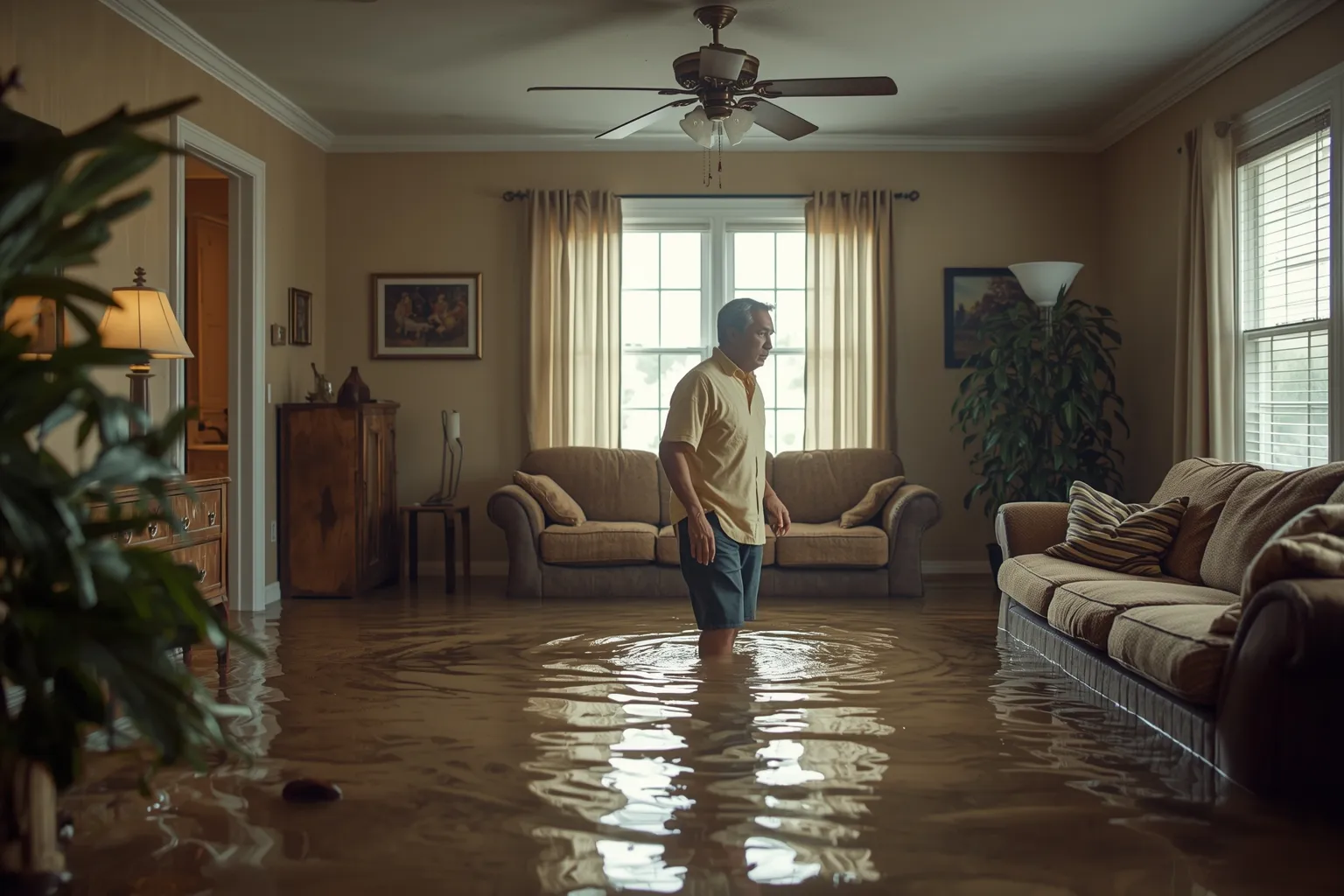
Water damage is one of the most common homeowners insurance claims in America — but whether yours is covered depends entirely on how the damage happened. Here is what you need to know.
What water damage is typically covered
Standard homeowners policies generally cover water damage that is sudden and accidental, including:
- Burst or frozen pipes
- Accidental appliance failures (water heater, washing machine, dishwasher)
- Storm-driven rain entering through a suddenly damaged roof
- Water damage from putting out a fire
- Overflow from plumbing backups (if you have the endorsement)
What is usually NOT covered
- Gradual leaks and neglect — slow drips that were ignored over time
- Flooding from rivers, storm surge, or heavy rain runoff — this requires a separate flood insurance policy
- Sewer or drain backups unless you added that specific coverage
- Poor maintenance, such as a roof that was never repaired
The three categories of water (and why they matter)
Insurers and restoration pros classify water by contamination level:
- Category 1 — Clean water: from a supply line or faucet
- Category 2 — Gray water: from appliances or overflow, with some contaminants
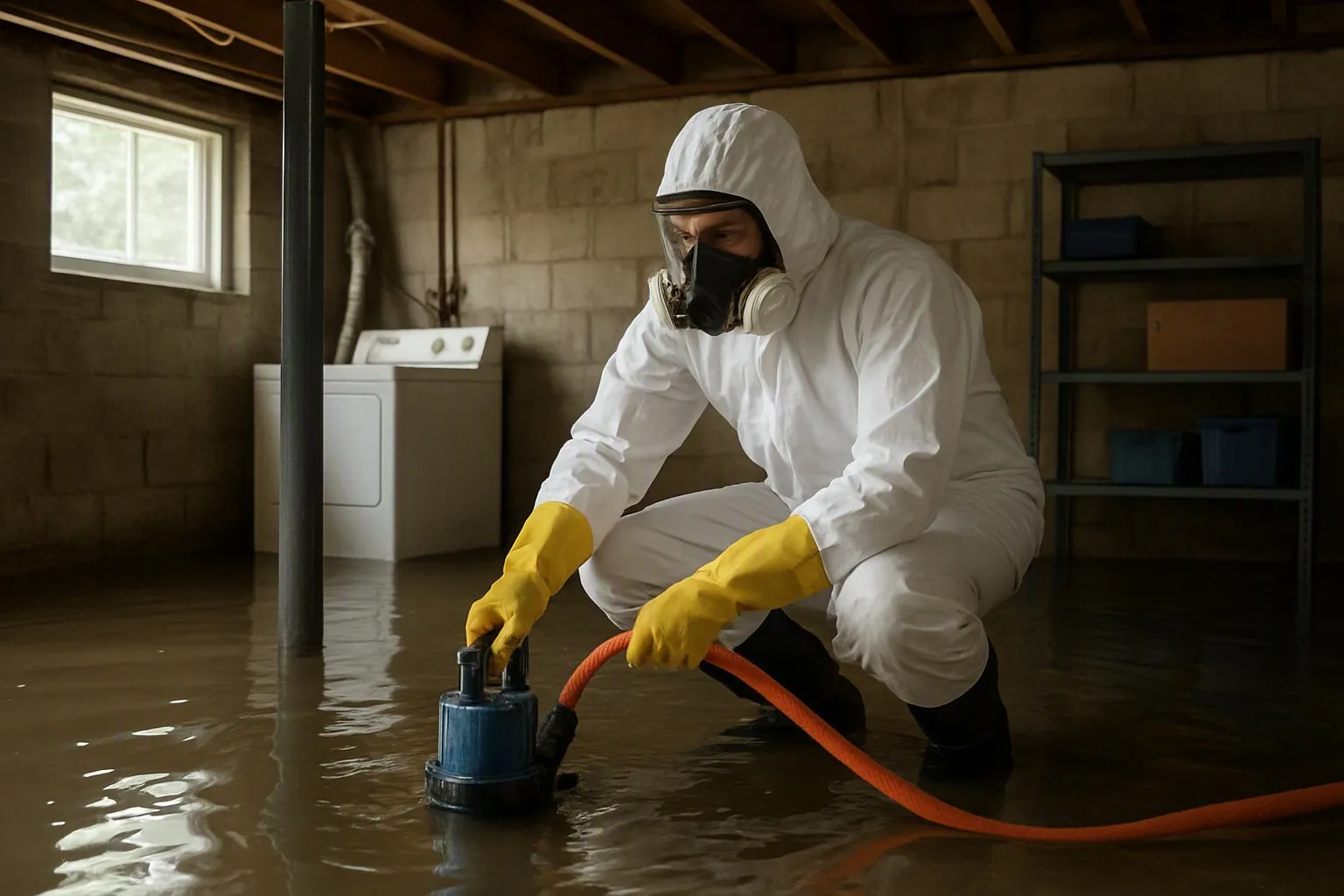
- Category 3 — Black water: sewage or flood water, hazardous and requiring specialized removal
How to file a water damage claim that gets approved
- Document immediately — photos and video before cleanup
- Mitigate further damage — insurers expect you to stop the water and prevent it from spreading
- Keep all receipts for repairs and temporary fixes
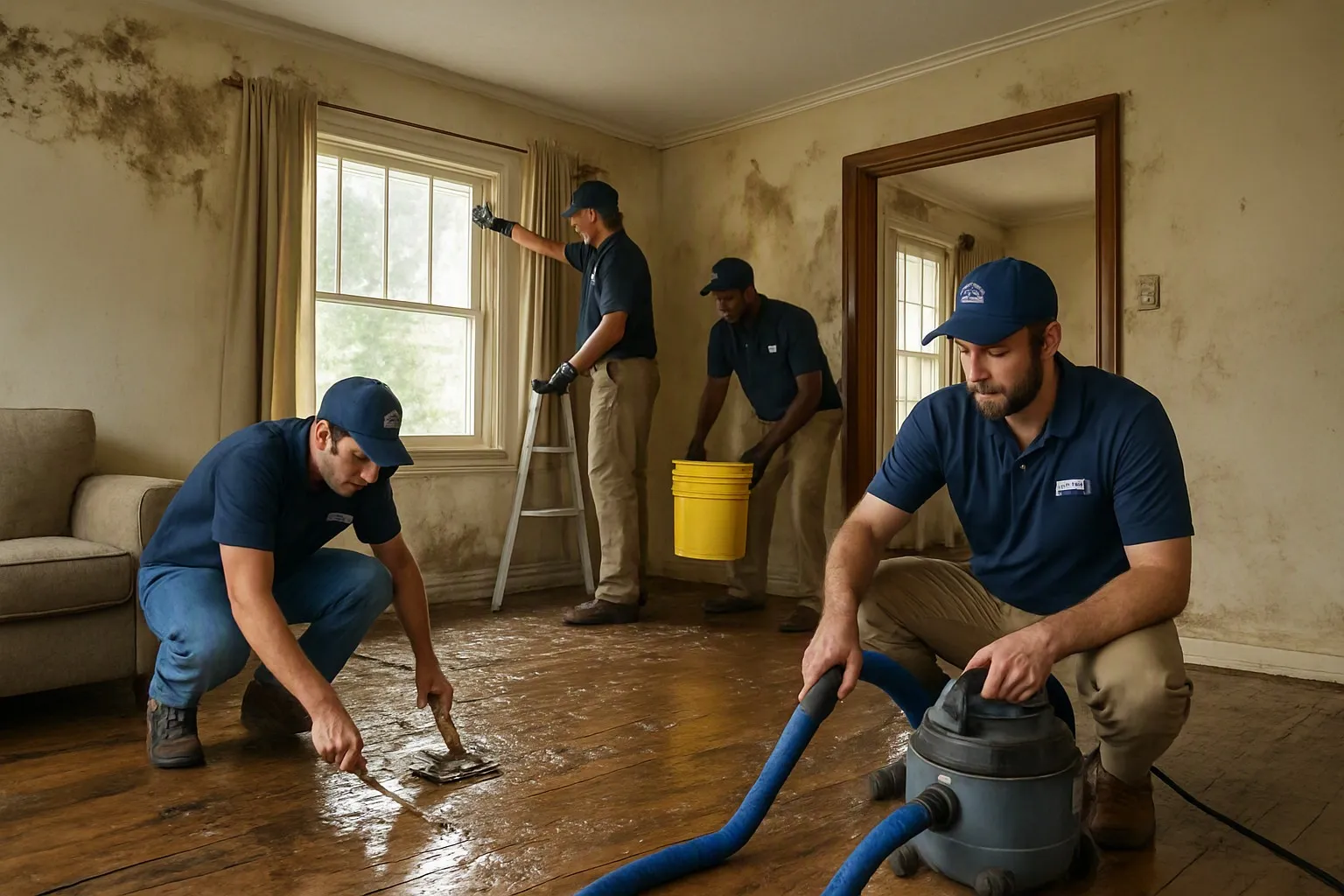
- Get a professional assessment — a certified restoration report strengthens your claim
- File promptly and stay organized with your adjuster
Frequently asked questions
Will filing a claim raise my premium? It can, but an unaddressed water loss that leads to mold or structural damage almost always costs far more.
Do I need flood insurance? If you live in or near a flood-prone area, yes — standard policies never cover natural flooding.
What if my claim is denied? You can appeal with additional documentation. A detailed restoration report and moisture mapping often make the difference.