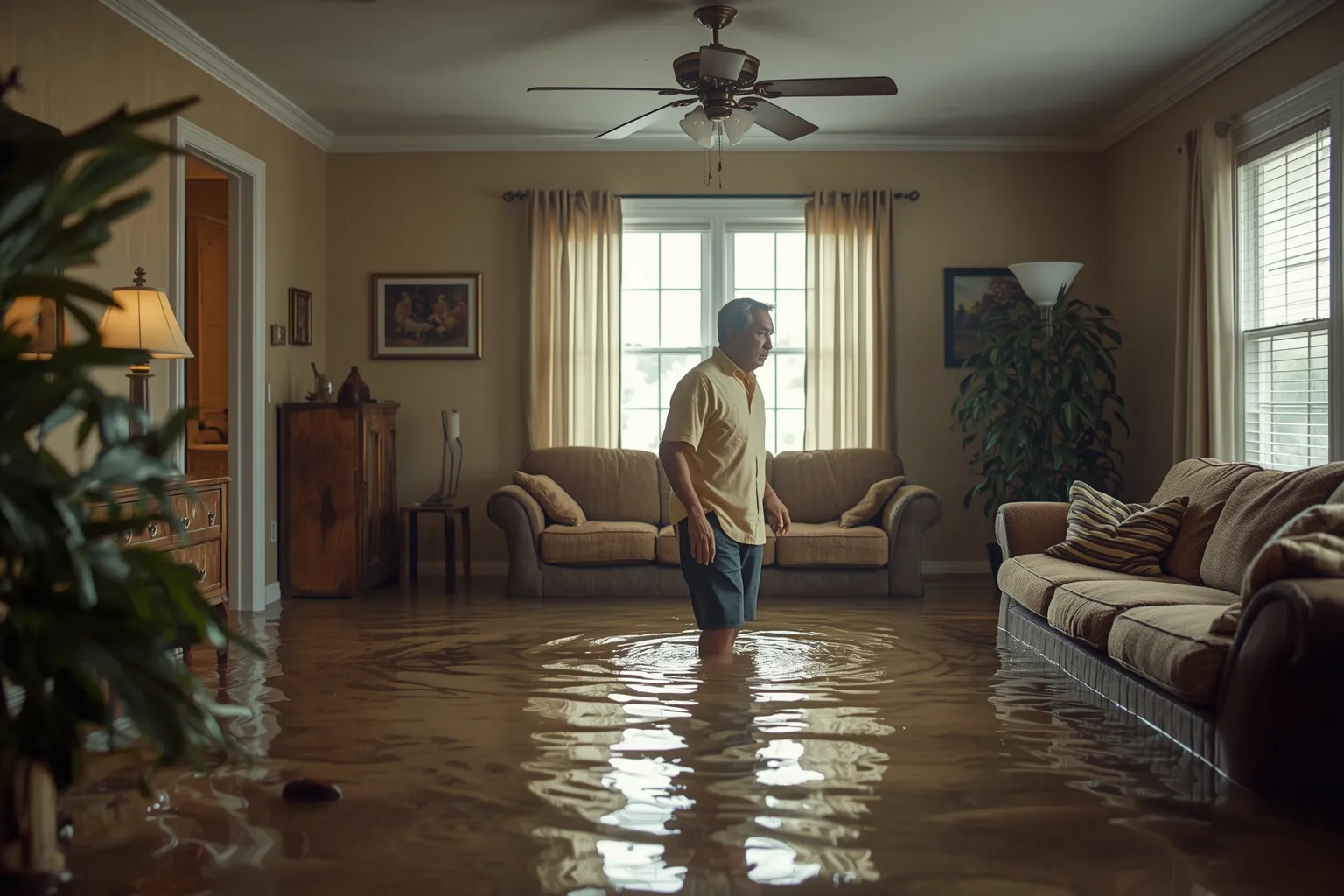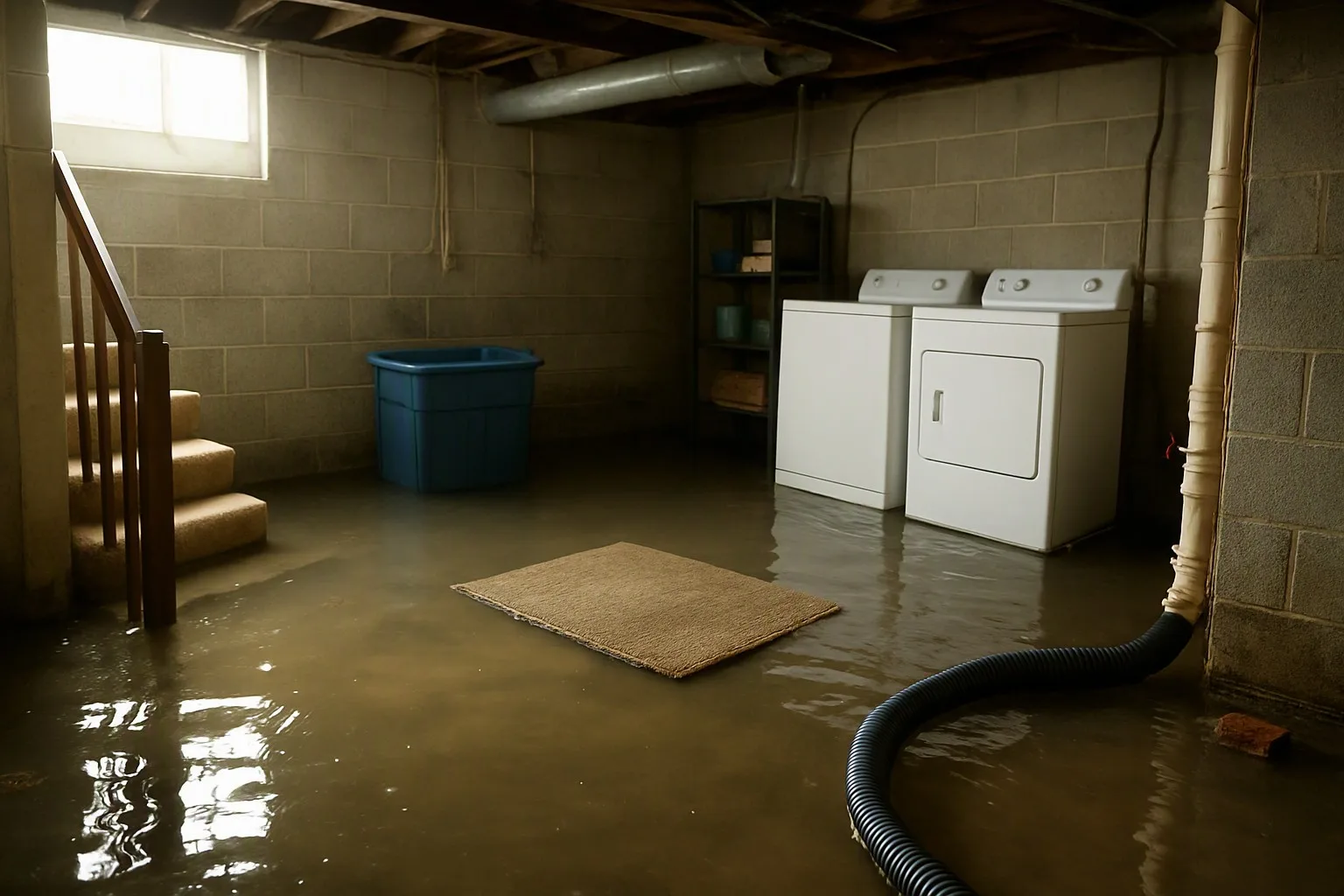
Waking up to water in your basement is a nightmare. The good news is you can limit damage if you act fast. Below we walk you through the exact steps to take, the tools you’ll need, and why calling AB Water Damage right away saves you time, money, and stress.
The First Hour Is Critical
Every minute counts. Water left unchecked can soak into walls, floors, and stored items, creating conditions for mold in as little as 24‑48 hours. Your first job is to stop the source and protect electricity.
Shut Off Power & Water
- Locate your main breaker box. Flip the breaker for the basement circuit to avoid electrocution.
- Find the nearest water shut‑off valve. In most homes it’s near the water heater or the main line entering the house. Turn it clockwise until it stops.
- If you can’t find a valve, turn off the main house water supply.
Pull Out Standing Water Fast
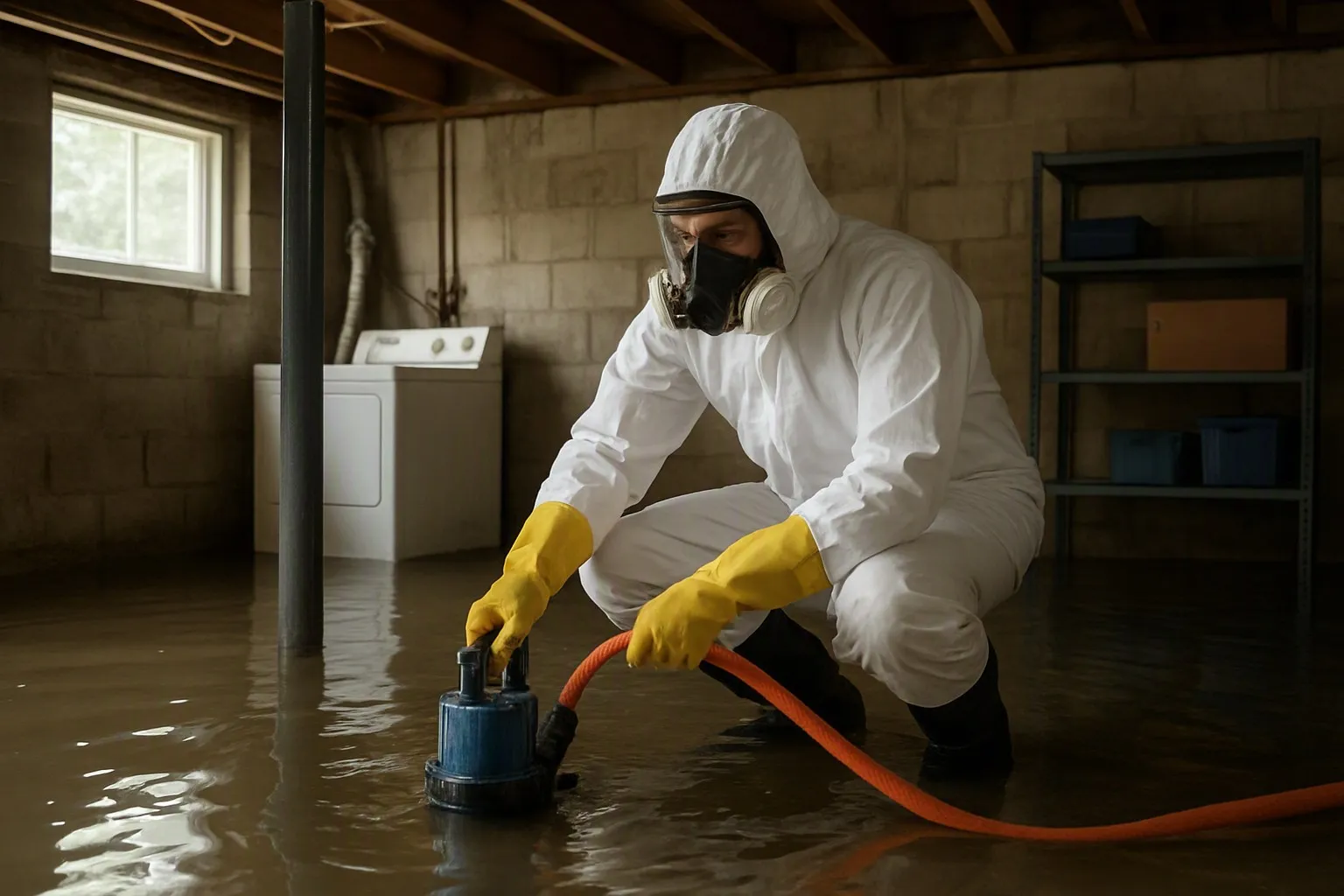
The faster you remove water, the less chance it has to soak into porous materials. A bucket brigade works, but a wet‑vac or sub‑mersible pump speeds the job dramatically.
Tools & Safety Gear
- Wet‑vac (shop vac) – good for 1‑2 inches of water.
- Sub‑mersible pump – handles 5‑10 gallons per minute; rent if you don’t own one.
- Rubber boots, gloves, and a mask – protect yourself from contaminants.
Start at the lowest point, push water toward a drain or sump pit, and empty it outside or into a utility sink. If you have a sump pump, turn it on; many models have a battery backup that can run for a few hours.
Dry the Space to Stop Mold
Even after water is gone, the hidden moisture can cause mold within 24‑48 hours. Air movement and dehumidification are key.
Fans, Dehumidifiers, Air Movers
- Place a floor‑standing fan at one end of the room, angled toward the opposite wall.
- Use an air mover (small, high‑velocity fan) on each wall to push air across surfaces.
- Run a professional-grade dehumidifier set to 50‑60% RH; a 70‑pint unit can handle a typical 1,000‑sq‑ft basement.
Leave equipment running at least 24‑48 hours. Check the water collection bucket on the dehumidifier and empty it regularly.
Protect Your Belongings
Some items can be saved if you act quickly. Move them out of the water zone and protect them from further damage.
Move Items, Cover With Plastic
- Box up paperwork, electronics, and photos. Place them on a raised surface like a pallet.
- Cover furniture with heavy‑duty plastic sheeting and tape the seams.
- For items that can’t be moved (e.g., built‑in shelves), lift them slightly and place a towel underneath.
If anything smells musty after drying, discard it. Mold spores can spread easily.
Call the Experts Early
Even with quick DIY steps, professional equipment and expertise make a huge difference. That’s where AB Water Damage comes in.
Why AB Water Damage Is Your Best Bet
- We serve all 50 states, so no matter where you are, help is on the way.
- Our average response time is about 60 minutes. In a flood, that speed can save thousands of dollars.
- All our technicians are IICRC‑certified, meaning they follow industry‑approved methods.
- We work directly with insurance adjusters, so you don’t have to chase paperwork.
Give us a call any time—day or night. Our 24/7 team at (888) 217-4575 will dispatch a crew within the hour.
What Happens After We Arrive
Our process is clear and transparent. Knowing what to expect helps you stay calm.
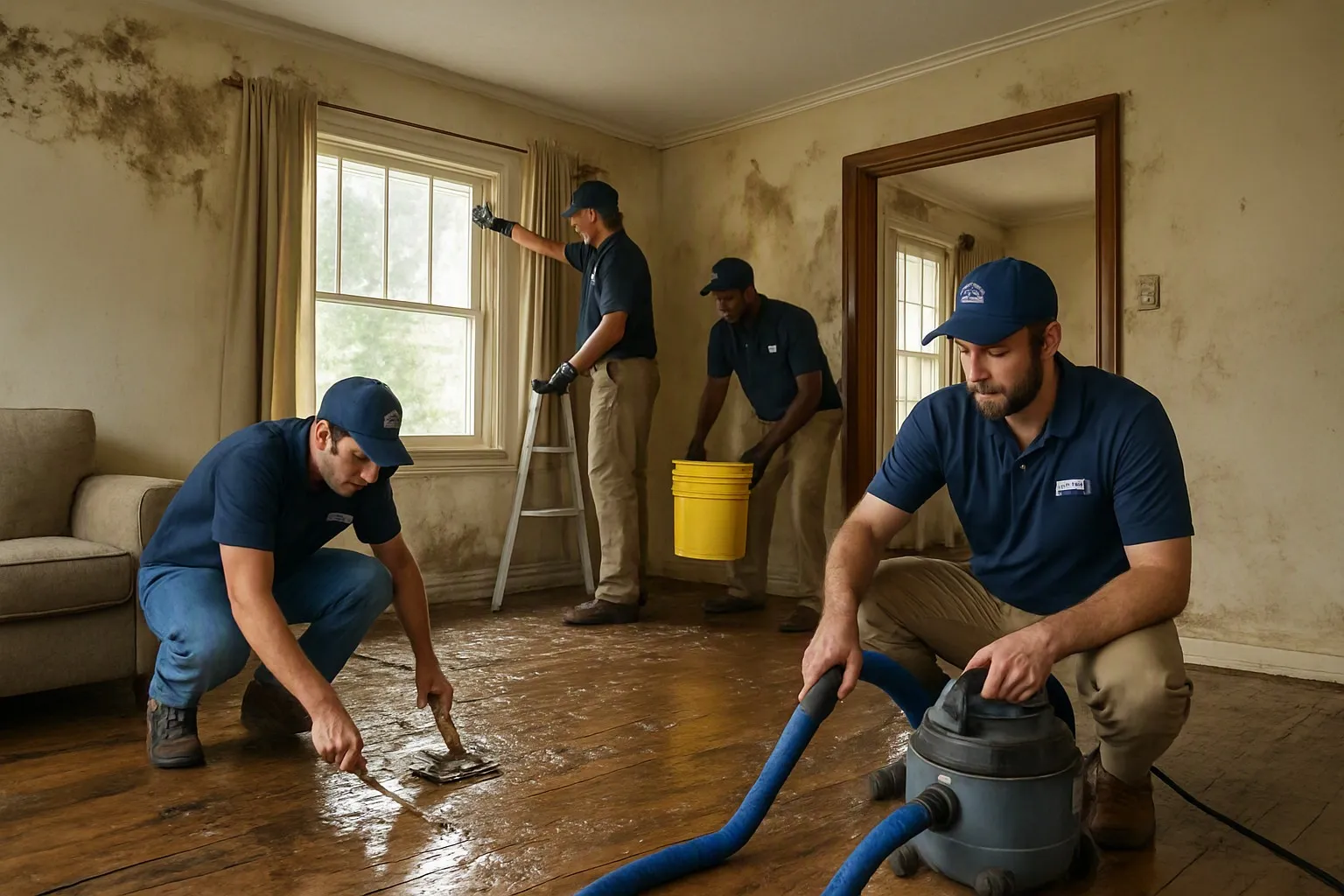
Inspection, Extraction, Drying, Restoration
- Inspection: We use moisture meters and infrared cameras to locate hidden water.
- Extraction: Powerful trucks with 3,000‑plus‑gallon pumps pull out the remaining water.
- Drying: Industrial‑grade dehumidifiers and air movers run until the structure reaches safe moisture levels.
- Restoration: We repair drywall, flooring, and any structural damage, then clean the area to prevent mold.
Throughout, we document everything for your insurance claim.
Cost Breakdown
Understanding the price range helps you budget and talk to your insurer.
| Service | Typical Cost Range |
|---|---|
| Water Extraction (per 1,000 sq ft) | $800 – $2,500 |
| Drying & Dehumidification (per day) | $300 – $800 |
| Mold Prevention Treatment | $400 – $1,200 |
| Structural Repairs (drywall, flooring) | $1,200 – $5,000+ |
These numbers are averages. Your exact quote depends on water amount, damage extent, and local labor rates.
Pros
- Fast response saves money
- IICRC‑certified methods reduce risk of mold
- Insurance assistance streamlines claims
Cons
- Professional services cost more than DIY
- Scheduling may take a few hours if you’re in a remote area
Common Mistakes to Avoid
Other frequent errors include:
- Leaving electricity on, risking shock.
- Using a regular household vacuum on water.
- Waiting more than 24 hours to start drying.
Stick to the steps above and you’ll keep damage to a minimum.
Frequently Asked Questions
How long does it take to dry a flooded basement?
With professional equipment, most basements dry in 3‑5 days. DIY fans and a dehumidifier may take a week or longer, depending on humidity.
Will my homeowner’s insurance cover the damage?
Most policies cover sudden water damage, but not damage from long‑term leaks. AB Water Damage helps you document everything for a smoother claim.
Can I stay in my home while the water is being removed?
If the electricity is off and the water level is low, you can stay. However, if there’s a risk of structural compromise or mold, we recommend temporary relocation.
Do I need to throw away my carpet?
Carpet can be salvaged if it’s less than 48 hours old and the padding isn’t saturated. Our team will test moisture levels before deciding.
How do I prevent future basement floods?
Install a back‑flow valve on your main sewer line, keep gutters clean, and consider a sump pump with a battery backup. Regularly inspect foundation cracks.
Don’t let a night‑time flood ruin your home. Call the experts now.
Call AB Water Damage at (888) 217-4575