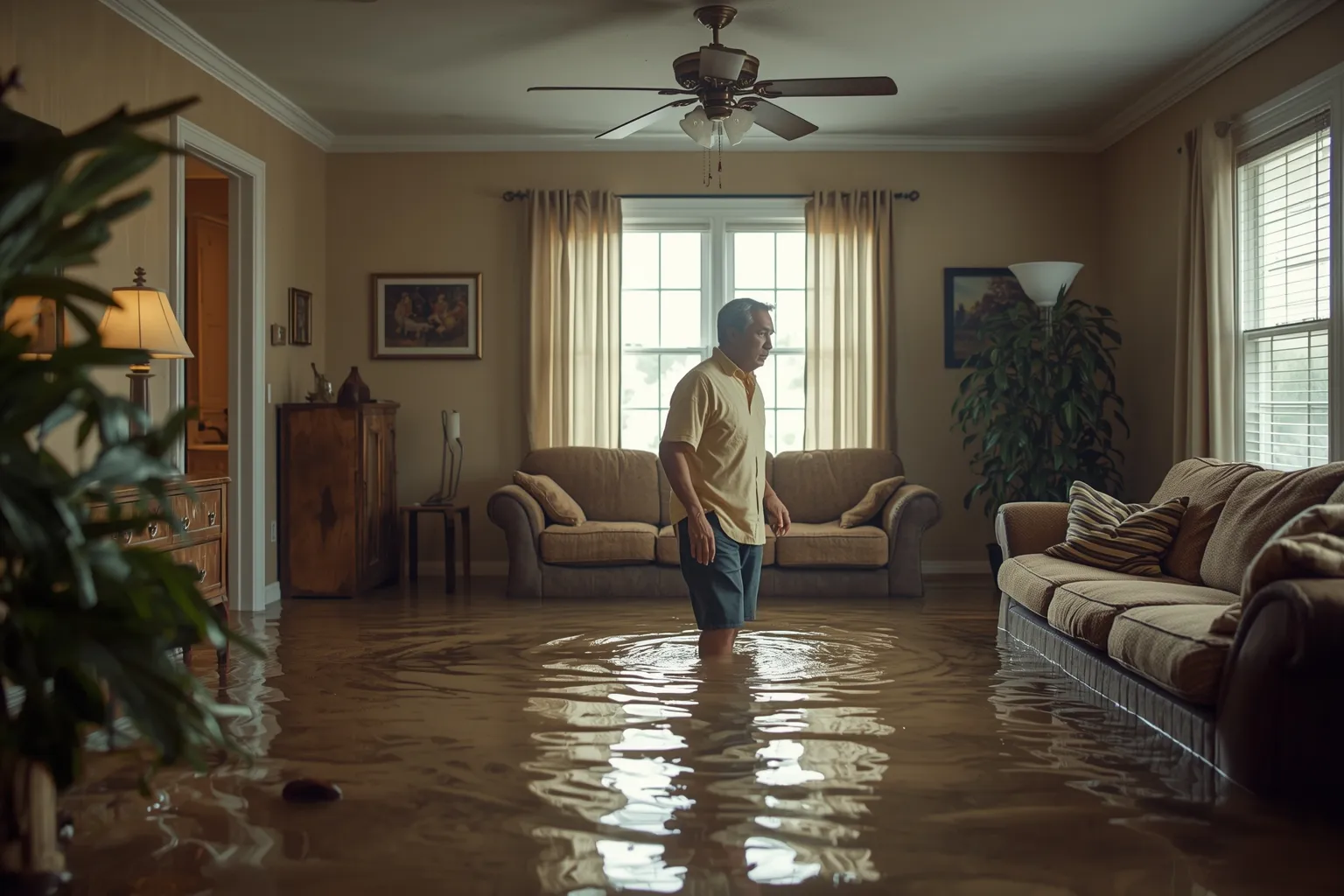
Water damage gets worse by the hour. Whether it is a burst pipe, an overflowing appliance, or storm flooding, what you do in the first day has a bigger impact on your final repair bill than almost anything else. Here is exactly what to do — in order.
1. Stop the water at its source
If the water is coming from your plumbing, shut off the main water supply valve immediately (usually near where the water line enters your home, or by the street meter). For an appliance leak, turn off the supply line to that appliance. Stopping the flow is always step one.
2. Stay safe around electricity and contaminated water
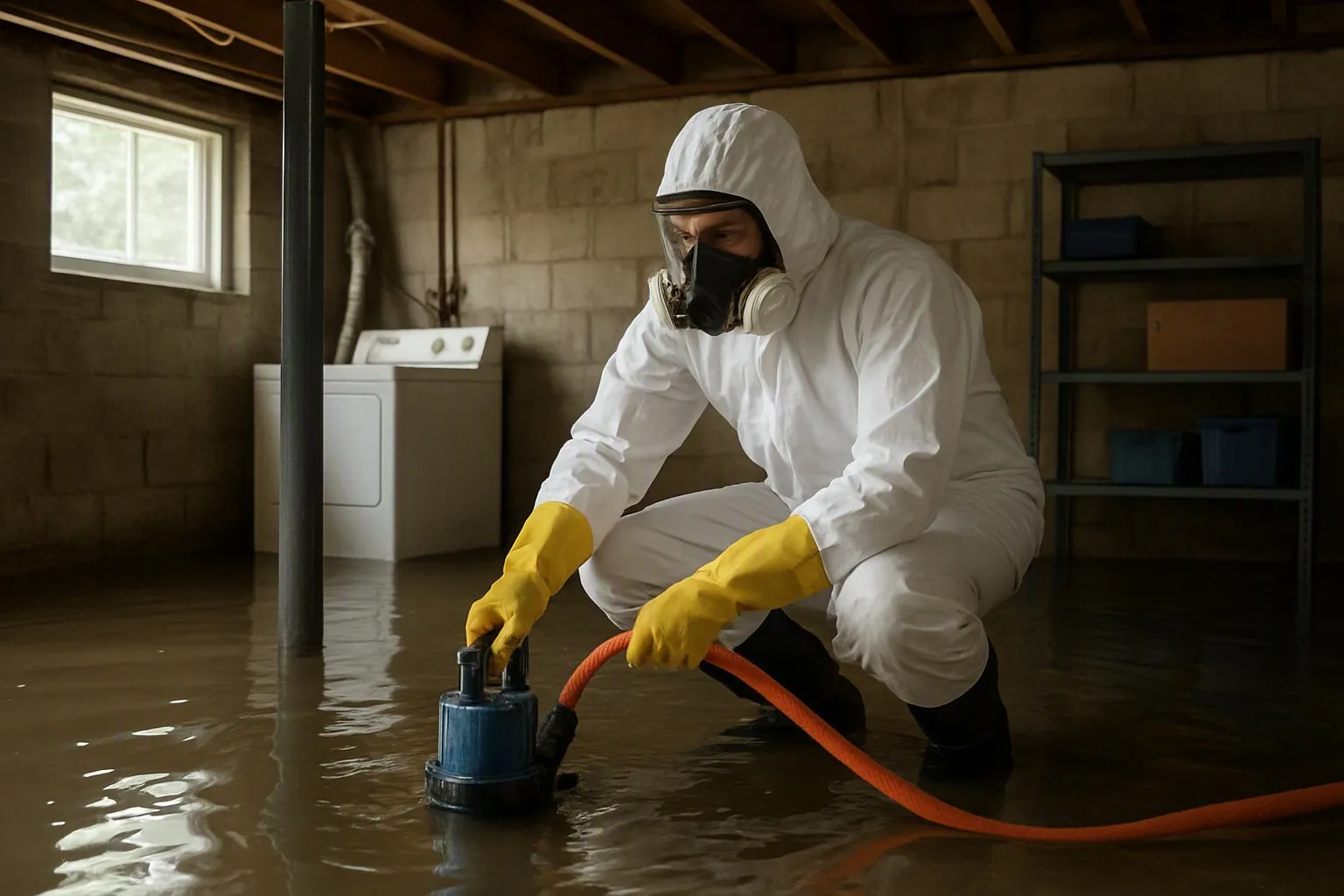
Never walk into standing water if there is any chance it is in contact with outlets, appliances, or your electrical panel. If it is safe to reach your breaker box, cut power to the affected areas. Treat any water from sewage backups or flooding as contaminated — it can carry bacteria and requires professional handling.
3. Document everything for your insurance claim
Before you move or remove anything, take clear photos and videos of all the damage. This documentation is critical for your claim.
- Photograph standing water, damaged walls, floors, and ceilings
- Capture damaged furniture, electronics, and personal belongings
- Note the date, time, and suspected cause
- Keep receipts for anything you buy during cleanup
4. Remove standing water and move belongings
If it is safe, remove small amounts of water with mops, towels, or a wet/dry vacuum, and move furniture and valuables to a dry area. Lift curtains and cords off the floor, and place foil or wood blocks under furniture legs to prevent staining.
5. Begin drying — but know its limits
Open windows and run fans to start air circulation. Household equipment can only do so much, though. Water wicks into drywall, subfloors, and wall cavities where you cannot see it, and that hidden moisture is what causes mold and structural damage. Professional-grade air movers and dehumidifiers are what truly dry a structure.
6. Call certified restoration professionals right away
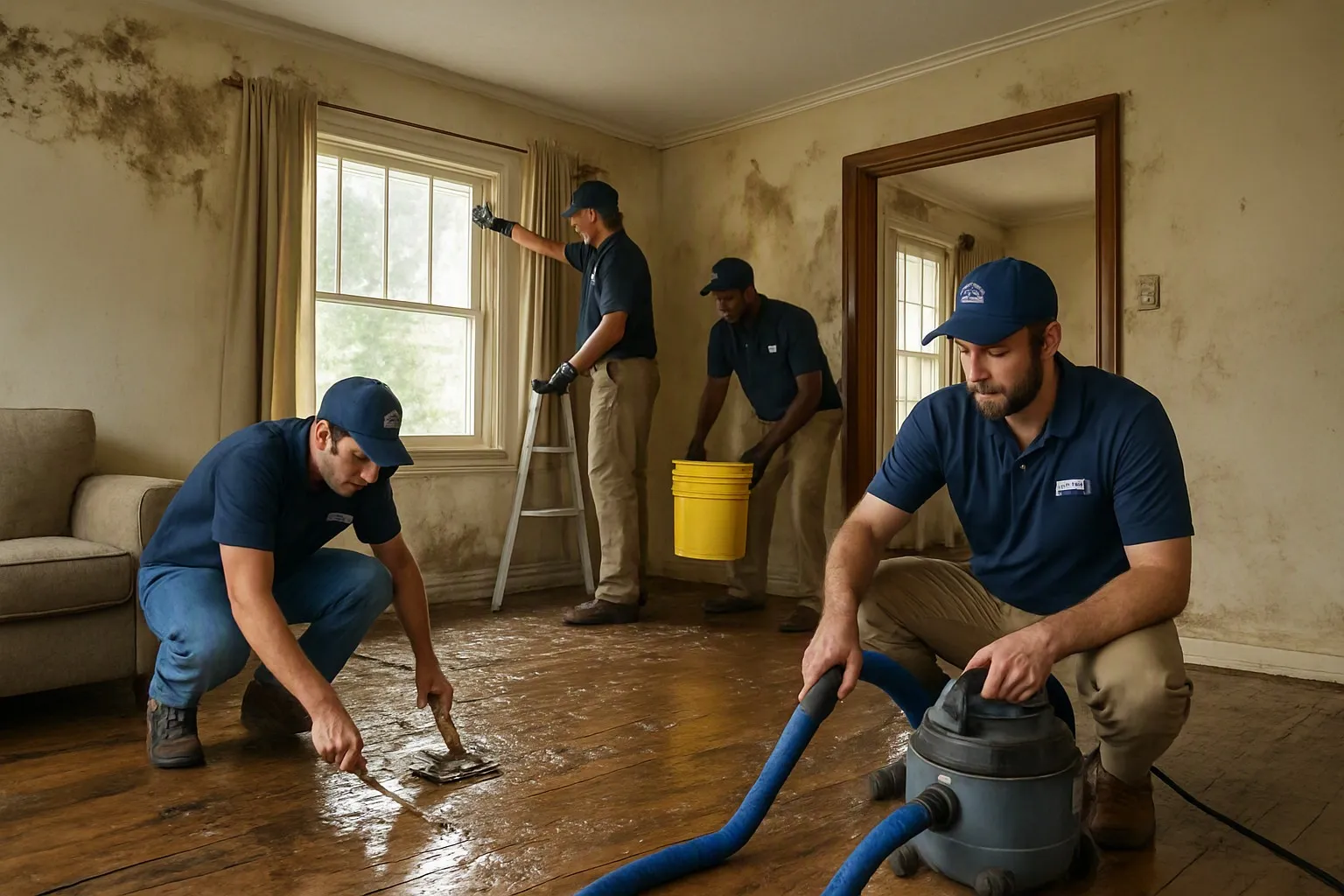
Certified technicians arrive with professional extraction and drying equipment, use moisture meters to find hidden water, and document everything for your insurer. The sooner they start, the less you lose.
Why the first 24 hours matter so much
Mold can begin to grow within 24 to 48 hours of water exposure. Drywall, hardwood, and insulation that could have been dried and saved on day one often must be removed and replaced by day three. Acting fast is the single best way to limit both cost and health risk.
Frequently asked questions
Should I call my insurance company or a restoration company first? Call the restoration company first to stop the damage — then file your claim. Good restoration companies help document the loss for your insurer.
Can I just dry it myself? For very minor spills, yes. For anything involving category-2 or category-3 water, saturated drywall, or more than a small area, professional drying prevents mold and hidden structural damage.
How long does professional drying take? Most structural drying takes 3–5 days depending on the severity and materials involved.