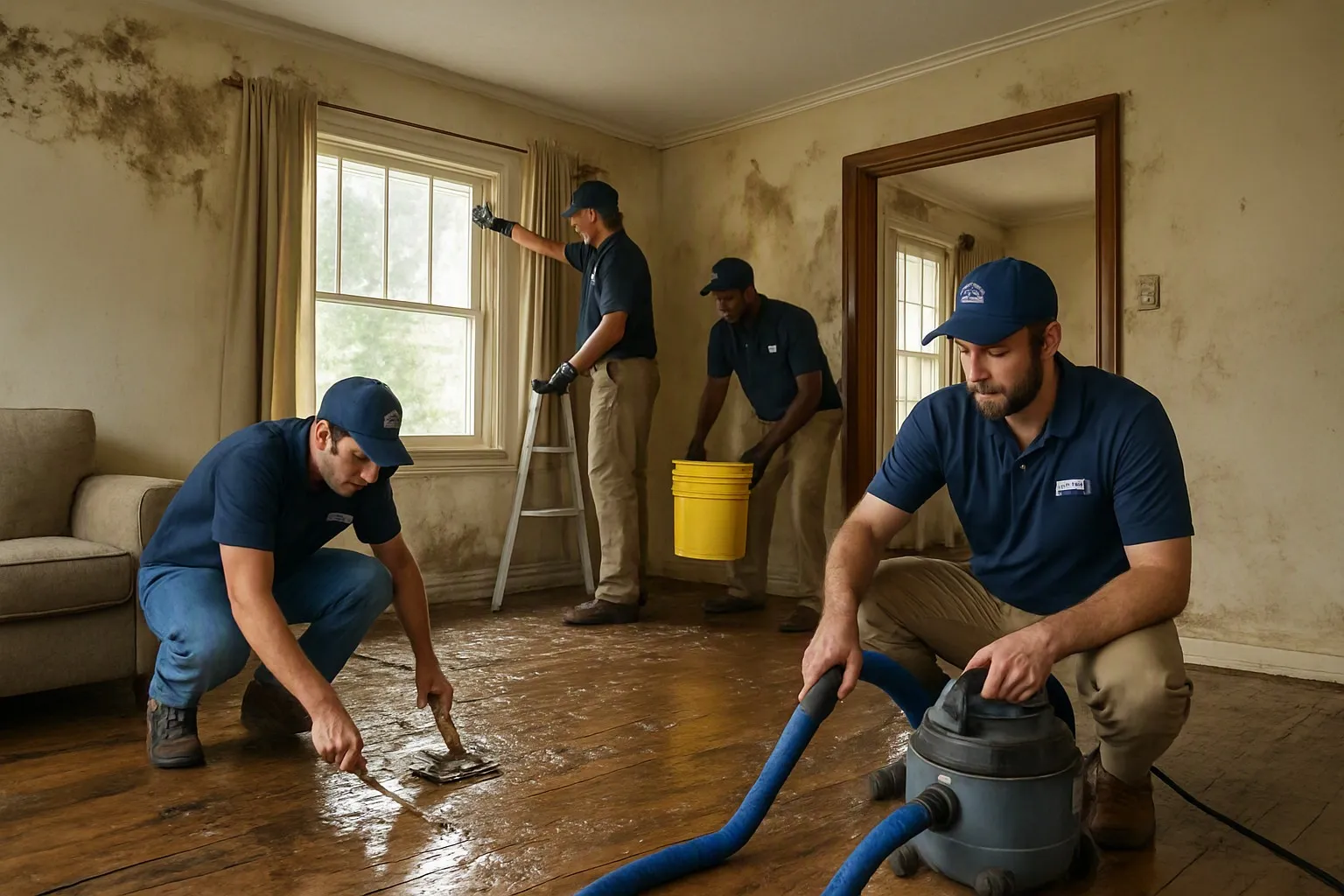
Let's be real: finding a water stain on your ceiling is bad enough. But the fear of what *else* might be growing behind the drywall is worse. In Columbus, Georgia, our climate makes this a real worry. We have high humidity and rainy seasons that can turn a small leak into a big problem fast. If you have dealt with water damage in your home, you need to know how to spot mold before it spreads.
As a local team that has been in your neighbor's homes fixing this exact issue, we know the signs well. Mold doesn't always look like the black stuff you see in movies. Sometimes it's invisible until you open a wall. This guide breaks down what to look for, the health risks involved, and the smart moves to make right now.
Why Columbus Homes Are Prone to Mold Growth
Columbus sits in a part of Georgia where the air stays damp for much of the year. This humidity is great for plants, but it is a nightmare for your home's structure. Mold spores are everywhere, floating in the air. They are dormant until they find moisture. When a pipe bursts, a roof leaks, or flooding happens, those spores wake up and start eating your drywall, wood, and insulation.
The main risk factor is time. Mold can start growing in as little as 24 to 48 hours after water exposure. We see this a lot: a homeowners notices a leak, fixes the pipe, and moves on. But the drywall behind the pipe stayed wet. Within a week, that patch of drywall is hosting a mold colony. Because our local climate is humid, the drying process is slower than in drier states like Arizona or Texas. This gives mold more time to take hold.
Older homes in Columbus are also at higher risk. Many were built before modern vapor barriers were standard. This means moisture can move through walls more easily. If you have a home from the 1970s or earlier, pay extra attention to any damp spots. The materials in older homes, like paper-faced drywall, absorb water differently and can trap moisture deep inside.
The Early Signs You Cannot Ignore
You don't need a microscope to spot mold, but you do need to know what to look for. It often hides in plain sight. Here are the most common signs we tell homeowners to check for immediately after any water incident.
- The Musty Smell: This is the #1 indicator. It smells like old books, wet dirt, or damp basements. If you walk into a room and it smells "off," stop and look. Even if you don't see anything, the smell means organic material is decaying.
- Discoloration: Mold isn't always black. It can be white, green, yellow, or orange. Look for fuzzy patches or spots on walls, ceilings, and baseboards. White mold often looks like salt crystals but is actually a fungus called Penicillium.
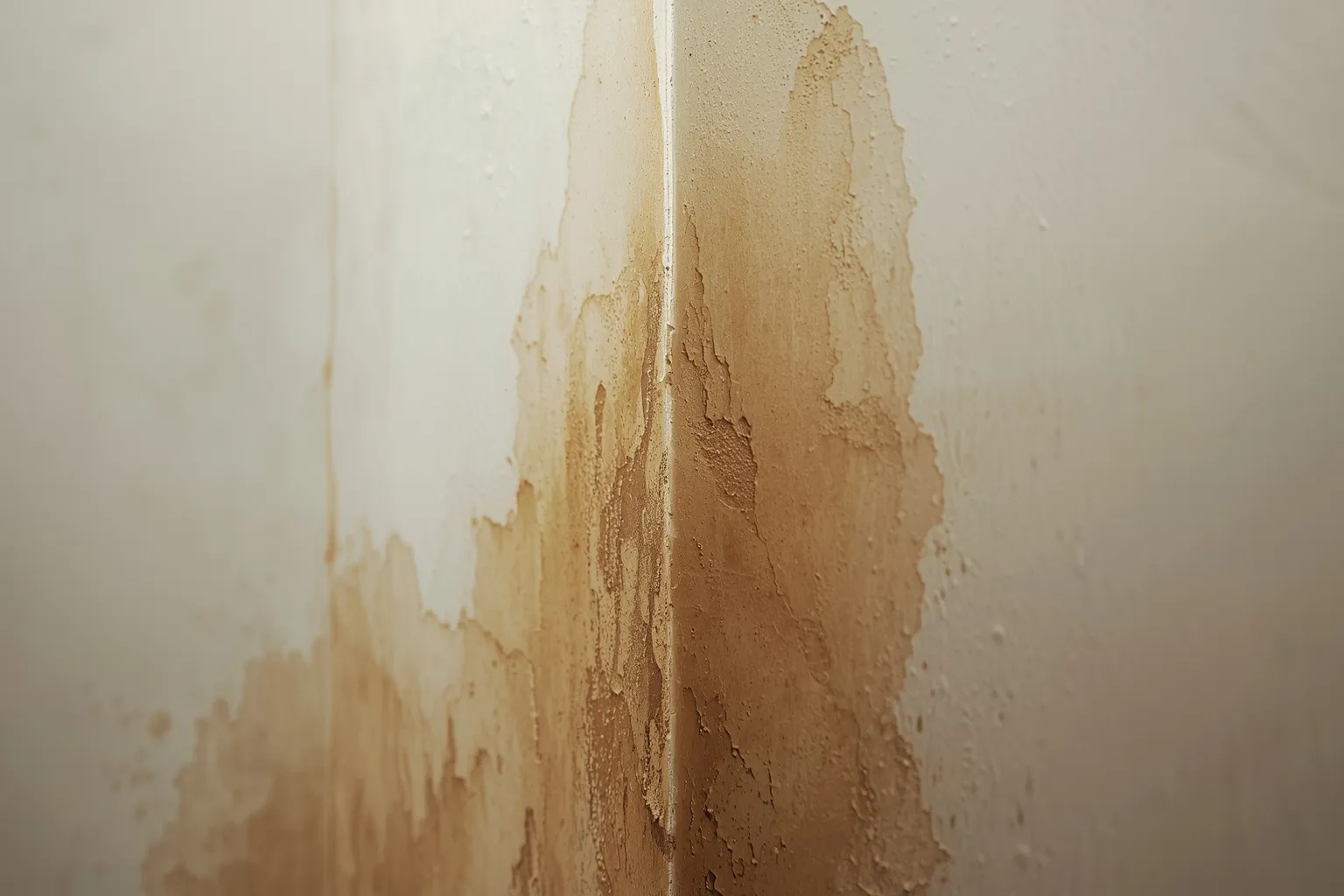
- Water Stains: Brown or yellow rings on the ceiling or walls are a history lesson. They show where water used to be. If the stain is fresh and dark, the water might still be active. If it is old but the area feels damp, mold is likely present.
- Warping Materials: Drywall that bulges, peels, or feels soft to the touch is saturated with water. Wood that feels spongy or looks darker than the rest is also a red flag. These materials are usually too damaged to save and need removal.
Check the hidden spots. Mold loves darkness and neglect. We often find the worst growth in places you rarely look. Check behind furniture that is pushed against exterior walls. Look inside closets, especially those on ground floors or in basements. Under carpets, check the padding if it is wet. Even your attic is a prime spot, as condensation builds up under the roof line during hot, humid summers.
Health Risks of Breathing Mold Spores
You might think, "It's just a little mold, I won't die." For most healthy adults, a small patch of mold won't cause life-threatening issues. But it is never good for you. Mold releases microscopic spores into the air you breathe. These spores can trigger allergic reactions and respiratory problems.
Here is what usually happens next for families exposed to indoor mold:
- Respiratory Irritation: Coughing, sneezing, runny nose, and itchy eyes. It feels just like a bad cold that won't go away.
- Asthma Attacks: If you or a family member has asthma, mold spores are a major trigger. Exposure can make symptoms much worse and lead to more frequent attacks.
- Skin Irritation: Touching mold or rubbing your face after being in a moldy room can cause rashes or hives.
- Headaches and Fatigue: Many people report feeling tired, foggy, or having headaches that improve when they leave the house. This is a common sign of indoor air quality issues.
Some people are more sensitive than others. Children, the elderly, and people with compromised immune systems are at higher risk. If you have anyone in your home who is coughing more than usual or complaining of headaches, take it seriously. Do not wait for severe symptoms. The air in your home should be clean, not a source of sickness.
DIY vs. Professional Mold Removal
Can you clean mold yourself? Sometimes, yes. If the area is very small, usually less than 10 square feet, and you have no health issues, you might be able to handle it. But this is a strict rule. If the mold comes back, or if the area is larger, you need a pro. We serve all 50 states, but our team here in Columbus knows the local building codes and standards inside out.
When you hire a professional, you are getting more than just a cleaning service. You are getting containment. Mold removal is dangerous if done wrong. Spores can spread through your HVAC system to other parts of the house. Our technicians use negative air pressure machines and plastic sheeting to seal off the work area. This keeps the spores from floating into your living room, bedroom, or kitchen.
Professional Restoration
- Uses HEPA filtration to capture spores.
- Identifies and fixes the source of the water.
- Provides insurance documentation.
- Guarantees the area is dry and safe.
DIY Cleaning
- High risk of spreading spores to clean areas.
- May not reach the root of the problem.
- Waste disposal can be a health hazard.
- No warranty if the mold returns.
Cost-wise, professional mold remediation in Columbus usually ranges from $500 to $5,000+ depending on the size and severity. It sounds like a lot, but the cost of untreated mold is much higher. Structural repair, medical bills, and lowered home value can easily cost thousands more. We help directly with insurance claims, so you don't have to fight for the coverage you are owed.
How We Assess Mold in Columbus Homes
When you call AB Water Damage at (888) 217-4575, we don't just guess. We use science. Our IICRC-certified technicians bring tools that show you what is really happening inside your walls.
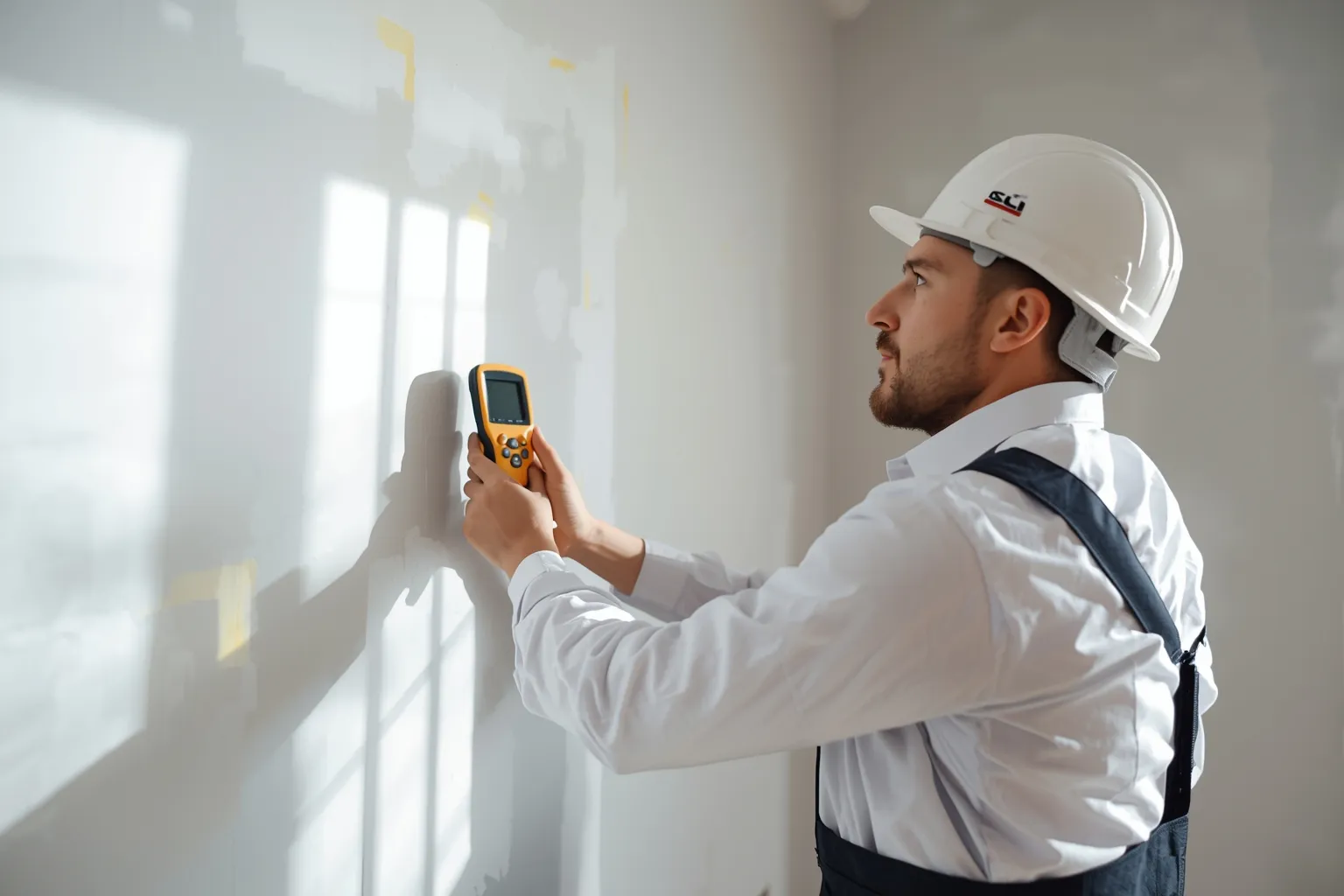
First, we use moisture meters. These devices pierce the drywall (with your permission) to measure the moisture content inside. If the reading is high, we know there is water trapped in there. Next, we use thermal imaging cameras. These cameras detect temperature differences. Moist areas look cold on the screen. This lets us see the full extent of the water damage without tearing down walls unnecessarily.
We also take air samples. A technician collects air from the affected room and compares it to the outdoor air. This tells us if the mold spore count is elevated. If it is, we know exactly which type of mold is present. This is important because different molds require different handling. Some are more aggressive than others.
| Assessment Tool | What It Finds | Why It Matters |
|---|---|---|
| Moisture Meter | Hidden water in walls/floors | Confirms if drying is needed |
| Thermal Camera | Temperature differences/wet spots | Maps the full damage area |
| Air Sampling | Type and count of mold spores | Identifies specific health risks |
This data drives our plan. We show you the numbers. We explain what they mean in plain English. No mystery, no upselling. You know exactly what is wrong and what it will take to fix it.
Preventing Mold in Your Columbus Home
After we fix the damage, we don't just leave you to fend for yourself. We give you a game plan to keep mold away. Prevention is much cheaper than remediation. Here are the most effective steps for our local climate.
1. Manage Humidity Keep your indoor humidity between 30% and 50%. In Georgia summers, this is hard. Use dehumidifiers in your basement, garage, and any room that feels damp. If your HVAC system is not keeping up, it's time for a service check. Leaky ducts can also bring in humid air from unconditioned spaces.
2. Fix Leaks Fast A dripping faucet is annoying, but it is also a mold factory. Check under sinks, behind toilets, and around your water heater once a month. If you see a puddle, fix it today. Don't wait for the weekend. We respond in about 60 minutes on average, so if you find a major leak, call us immediately rather than trying to manage it yourself for hours.
3. Ventilate Bathrooms and Kitchens Running the exhaust fan while showering and cooking is not optional. It is essential. These fans pull hot, moist air out of your home. If your fan doesn't work, fix it. A $50 fan repair can save you $2,000 in mold cleanup.
4. Clean Gutters and Downspouts If your gutters are clogged, water overflows and soaks into your foundation and siding. In Columbus, heavy summer rains can do this fast. Make sure your downspouts direct water at least 6 feet away from your house. We often find water entering basements through foundation cracks caused by poor drainage.
When to Call a Pro for Emergency Help
You should call a professional if:
- The affected area is larger than 10 square feet.
- You have had standing water for more than 24 hours.
- You smell a musty odor that won't go away.
- Anyone in your home has asthma or a compromised immune system.
- The water came from sewage or flooding (this is a Category 3 water event and is highly toxic).
Do not use a household vacuum cleaner to clean up wet carpets or mold. You will spread the spores into the air and into the vacuum bag. This contaminates the whole house. Our team brings industrial extraction equipment that pulls water out completely and uses air movers to dry the structure within 48 to 72 hours.
Time is everything. Every hour you wait, the water moves deeper into your home. It wicks up through floorboards and down through ceiling joists. By the time you see the damage, it is often much worse than it looks. We are available 24/7, 365 days a year. Our phone lines are always open. You don't need to schedule an appointment for an emergency. Just call, and we will be on our way.
Frequently Asked Questions
How long does it take for mold to grow after water damage?
Mold can start growing in as little as 24 to 48 hours. The spores are always in the air; they just need moisture to activate. This is why speed is critical when you deal with a leak or flood.
Does my homeowner's insurance cover mold removal?
It depends. If the water damage was sudden and accidental, like a burst pipe, the cleanup and drying are usually covered. Mold remediation is often covered if it is a direct result of that covered loss. We help with the documentation and claim process so you get what you are owed.
Can I just paint over the mold?
No. Painting over mold is like putting a bandage on a broken bone. The mold is still underneath, feeding on the drywall and wood. It will push through the paint in a few weeks or months. You must remove the affected material and kill the spores first.
Is black mold the only dangerous kind?
No. "Black mold" is usually Stachybotrys chartarum, which is toxic, but not all black mold has this species. Other molds can be just as harmful if you are sensitive. Color is not a reliable indicator of toxicity. Any mold in your home should be treated seriously.
How do I stop mold from coming back?
Fix the source of the water and keep your humidity down. If you don't fix the leak, the mold will return, even if you clean it perfectly. Prevention is about long-term habits, not just one-time cleaning.
Do you serve Columbus and surrounding areas?
Yes. We are based in the local area and serve all of Columbus, Georgia, and the surrounding communities. We are IICRC-certified and ready to help with your specific local needs.
Take Action Now
Don't let a small water stain become a major health crisis. If you suspect mold in your Columbus home, act today. We are here to help, not to scare you. Our goal is to make your home safe and dry again, fast. Check our Columbus restoration services to see how we work.
Waiting makes it worse. Mold spreads every hour you delay.
Call AB Water Damage at (888) 217-4575