Water doesn't always land on your floor with a splash. A slow leak behind a wall can drip for weeks before you notice anything. By then, the drywall, insulation, and wood framing may already be wet and starting to rot.
The tricky part is that hidden water damage behind walls rarely looks dramatic at first. You might just smell something odd, or see a little paint bubble. Those small clues matter. Catching them early can save you thousands of dollars and a lot of headache.
Quick answer: The most common signs of hidden water damage are a musty smell, paint that bubbles or peels, soft or warped drywall, dark stains near baseboards, and a water meter that keeps spinning when nothing is on. If you find two or more of these, shut off the water and call a pro at (888) 217-4575 for free 24/7 help.
Why Water Hides So Well Inside Walls
Your walls are built in layers. There's paint, then drywall, then insulation, then the wooden studs. Water doesn't need a big hole to get in. It only needs a tiny gap. Then it travels along studs, pipes, and wires using gravity and capillary action.
That means a leak can start on the second floor and show up as a stain on a first floor ceiling. The wet spot you see is often not where the water is coming from.
Drywall also acts like a sponge. It soaks up water and holds it. The surface can feel dry to the touch while the inside is still damp. That's how a leak goes unnoticed for weeks.
8 Warning Signs of Hidden Water Damage
1. A Musty or Damp Smell
Your nose is often the first tool that works. If a room smells like wet cardboard or an old basement, there's likely mold or damp material nearby. The smell gets stronger when the room is closed up or the heat runs.
2. Paint That Bubbles, Cracks, or Peels
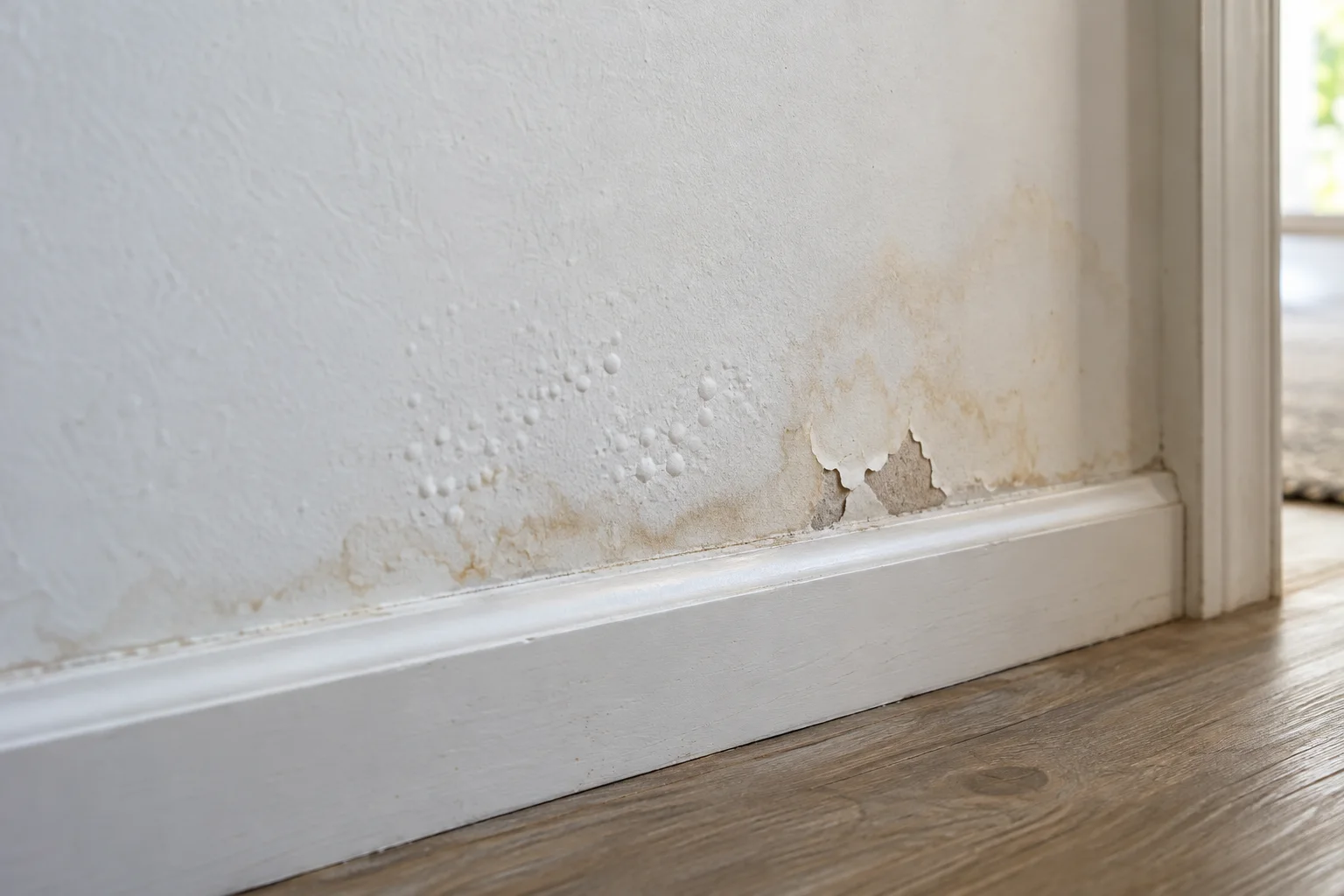
Paint doesn't bubble on its own. When water pushes from behind the drywall, it forces the paint away from the surface. Small bubbles, or a crack that keeps coming back after you patch it, are big red flags.
3. Soft, Spongy, or Warped Walls
Press gently on the wall with your fingers. A healthy wall feels firm. If it gives a little, feels cold, or sounds squishy, the drywall is likely soaked. Warped or bowed spots are even more serious.
4. Stains and Discoloration
Look for yellow, brown, or gray rings on walls and ceilings. Fresh stains may be dark and slightly wet. Older ones dry with a brownish edge. Even a faint outline is worth checking.
5. Baseboards and Trim That Swell
Baseboards take the hit first because water pools at the bottom of walls. Watch for paint peeling off trim, gaps opening between the trim and the wall, or wood that feels soft at the bottom.
6. Bubbling or Loose Flooring
Vinyl, laminate, and tile can lift or feel spongy when moisture sits under them. Wood floors may cup or crown. A floor that creaks in a new spot deserves a closer look.
7. A Water Meter That Won't Stop
Turn off every faucet, appliance, and sprinkler. Then check your water meter. If the dial is still moving, water is running somewhere it shouldn't be. That's a fast way to confirm a hidden leak.
8. Higher Water Bills With No Explanation
If your bill jumps and your habits haven't changed, a hidden leak is a likely reason. Compare this month's bill to the same month last year.
Simple Tests You Can Do Yourself
The flashlight test
Shine a strong flashlight flat against the wall near the ceiling and baseboard. Shadows show bumps, waves, and bulges that normal light hides.
The smell test
Close the door and windows for an hour. Then walk in and take a deep breath. A closed room traps smells, so a musty odor is easier to catch.
The moisture meter test
A basic pinless moisture meter costs about $30 to $60 at a hardware store. Slide it across the wall. Readings over 15% to 17% usually mean the material is damp. Compare the suspect wall to a dry wall in another room.
The paper towel test
Tape a dry paper towel to the wall for a day. If it feels damp or smells musty the next morning, moisture is coming through.
These tests can point you in the right direction. They can't tell you how far the water has spread. That usually takes a pro with thermal imaging and moisture readings.
Where Hidden Water Damage Usually Hides
- Behind showers and tubs, where grout and caulk fail
- Under and behind kitchen sinks and dishwashers
- Around toilets, especially on a second floor
- Near washing machine supply lines and hoses
- Around windows and doors with bad flashing
- In ceilings below bathrooms
- Along exterior walls after heavy rain
- Near water heaters and HVAC drip pans
Supply lines to fridges, toilets, and washing machines are some of the worst offenders. They leak slowly, often inside a cabinet where nobody looks.
How Fast Does the Damage Get Worse?
Mold can start growing in about 24 to 48 hours when materials stay wet. Within a few days, drywall gets soft and wood starts to swell. After a week or two, you may see warping and hear about structural repairs.
That timeline is why "I'll deal with it next month" usually costs more than "I'll call today."
When to Call a Pro
Call a professional right away if you notice any of these:
- Water stains on a ceiling, especially with a bulge
- A musty smell that won't go away
- Soft, wet, or crumbling drywall
- Mold you can see or smell
- A leak you can't find or shut off
- Any leak that has been going on for more than a day or two
You can reach a live person any time at (888) 217-4575. The call is free, and help is available 24/7.
What a Pro Does That You Can't
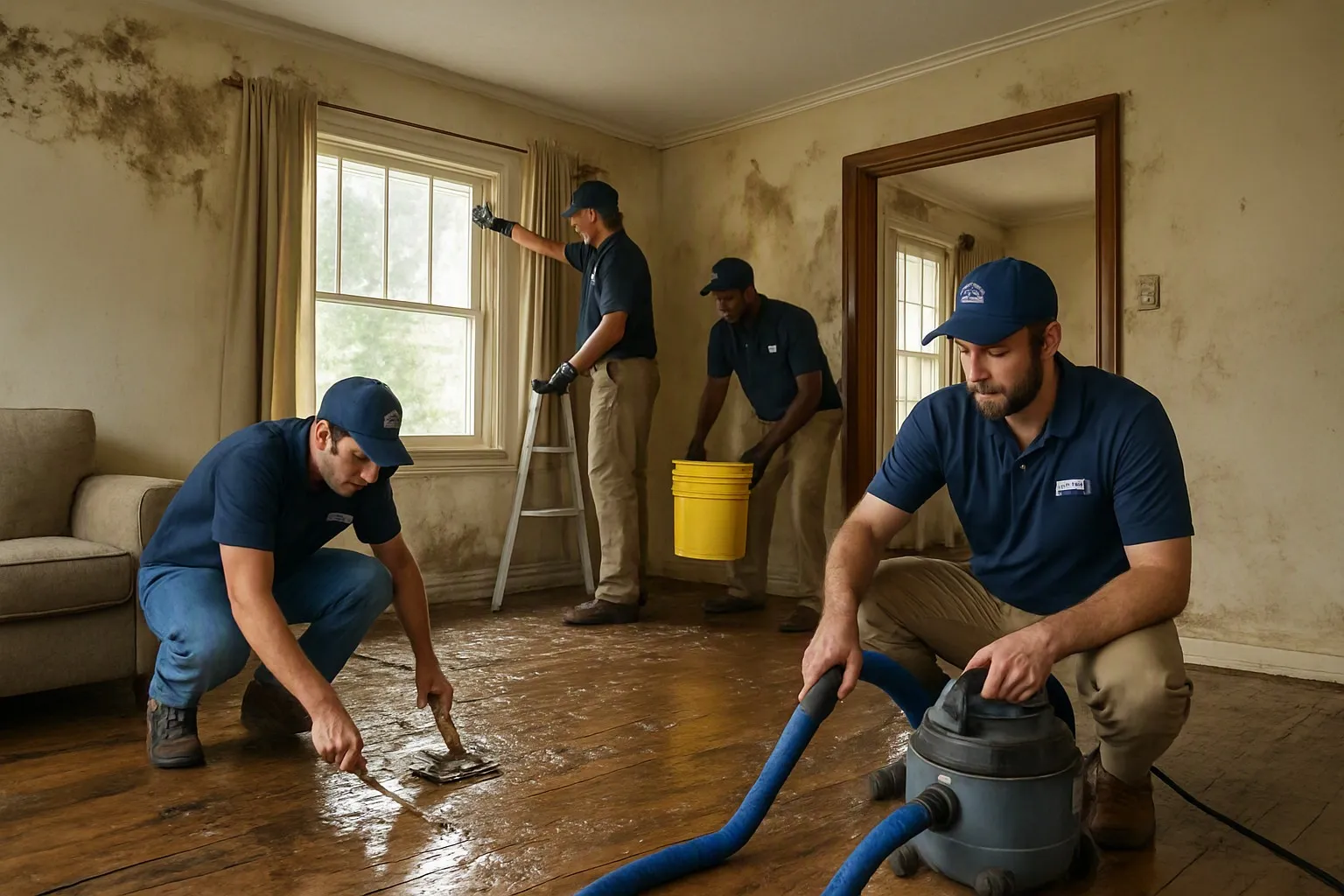
- Find the source. Thermal cameras and moisture meters show wet areas behind walls without tearing everything open.
- Map the spread. Water travels. Pros measure how far it went so nothing gets missed.
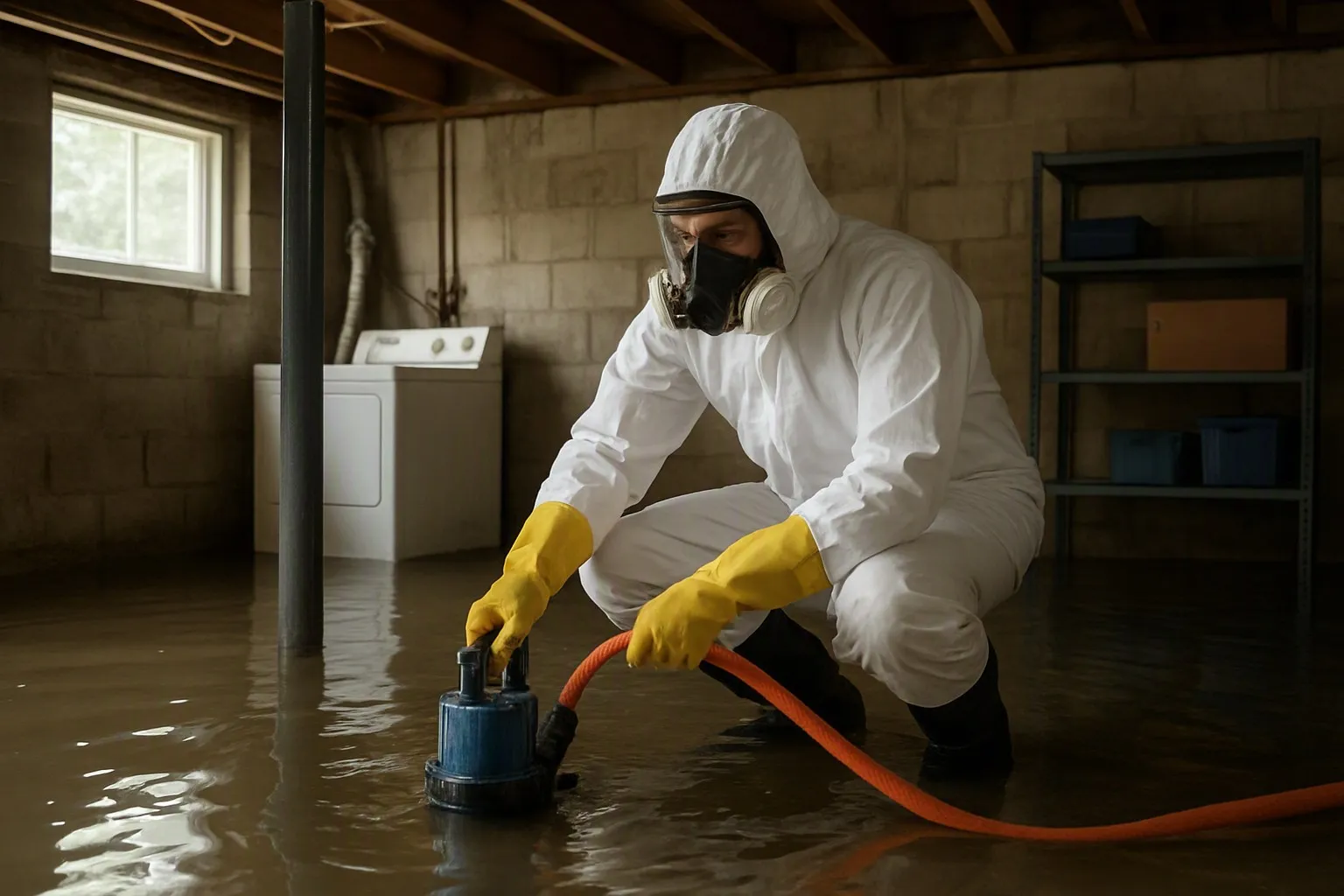
- Dry it out correctly. Air movers and dehumidifiers pull moisture out of studs, insulation, and subfloors.
- Check for mold. If mold is present, it gets handled with the right containment and safety gear.
- Document everything. A written report with photos helps a lot with insurance claims.
Most homeowners don't own the equipment to dry a wall cavity properly. Box fans and open windows just can't reach inside a closed wall.
Frequently Asked Questions
Can water damage behind a wall dry out on its own?
Sometimes small amounts do dry if air can reach them. Inside a closed wall cavity, air can't get in, so it usually stays wet. That's when mold and rot start.
Does homeowners insurance cover hidden water damage?
It often depends on the cause. Sudden leaks, like a burst pipe, are usually covered. Long-term leaks and poor maintenance often are not. Keep photos and notes, and ask your adjuster directly.
How much does it cost to fix hidden water damage?
Small repairs may run a few hundred dollars. If drying equipment, drywall replacement, and mold cleanup are needed, costs often climb into the thousands. Catching it early keeps the bill down.
Is a musty smell always mold?
Not always, but it's a strong clue. Musty odors usually mean mold or damp material is nearby. Either way, it's worth having someone check.
Can I just paint over a water stain?
No. Paint will hide it for a while, but the stain often bleeds back through, and the moisture problem keeps getting worse. Fix the leak first, dry the area, then paint.
How long does professional drying take?
Most jobs take about three to five days. Thick materials or larger areas can take longer. Pros check moisture daily until everything is back to normal levels.
Don't Wait on a Wet Wall
Hidden water damage behind walls is sneaky, but it leaves clues. Trust your nose, look for stains and soft spots, and check your water meter. If something feels off, get it checked.
One quick call can stop a small leak from turning into a big repair. Call (888) 217-4575 any time, day or night, for free help from a local water damage pro.