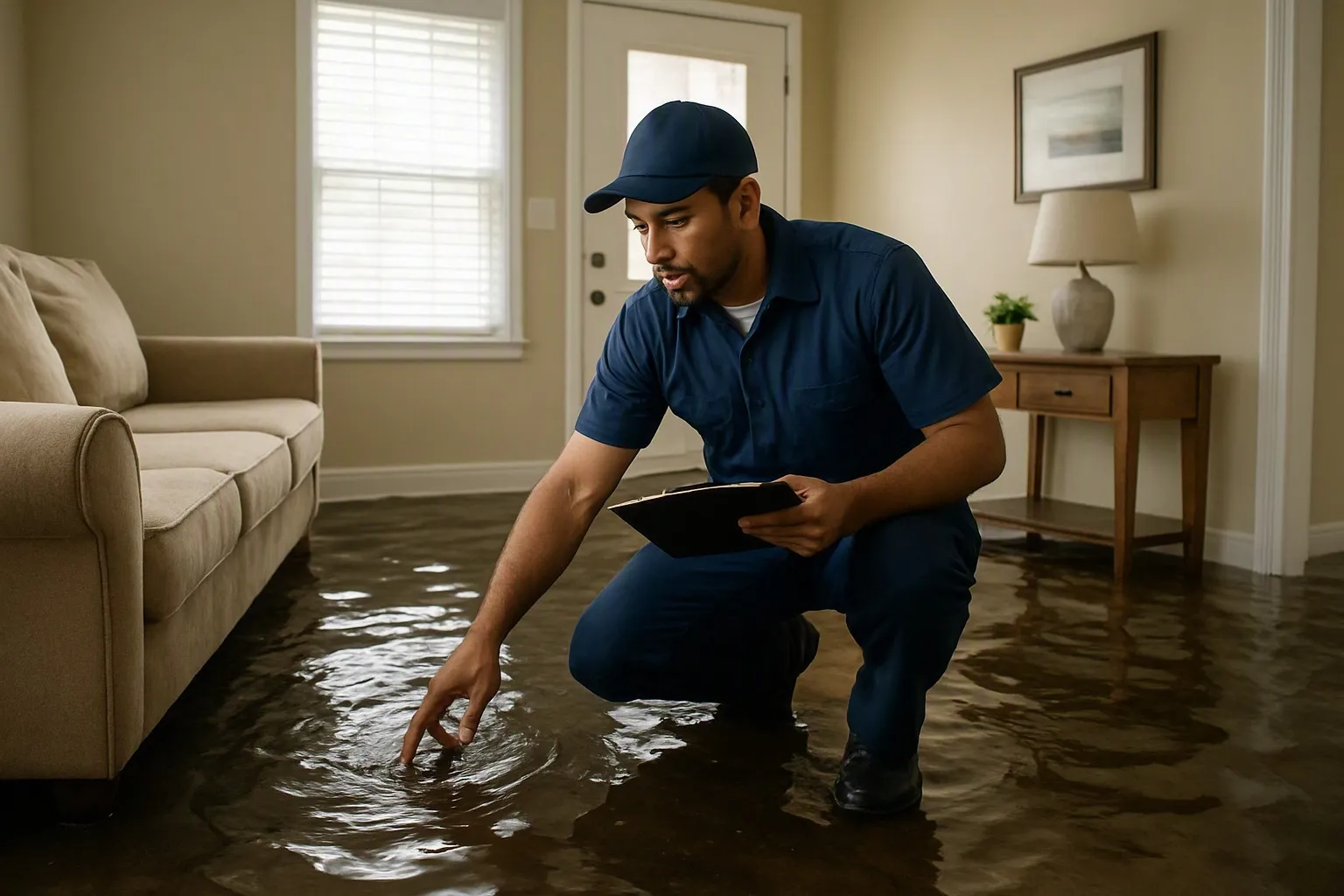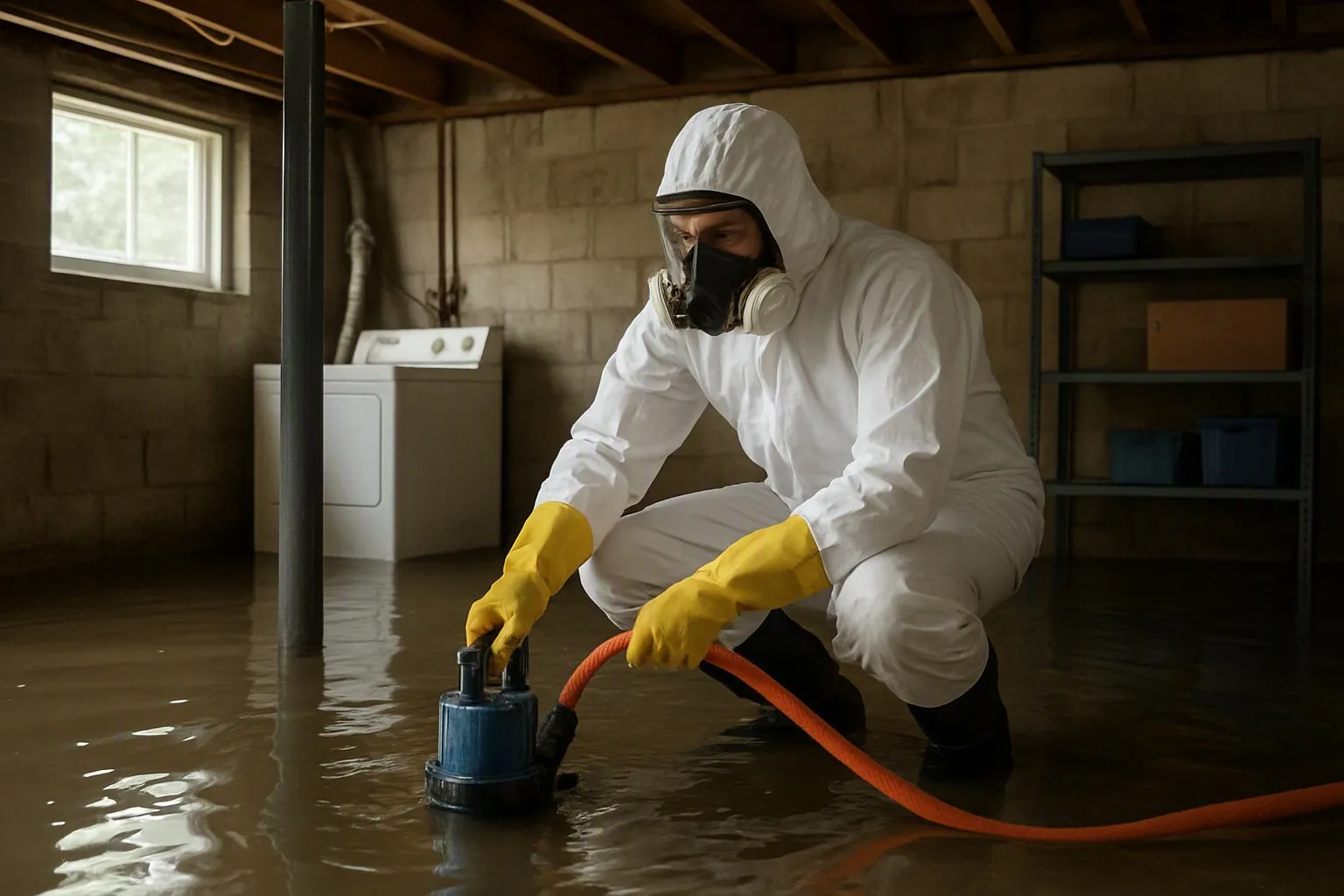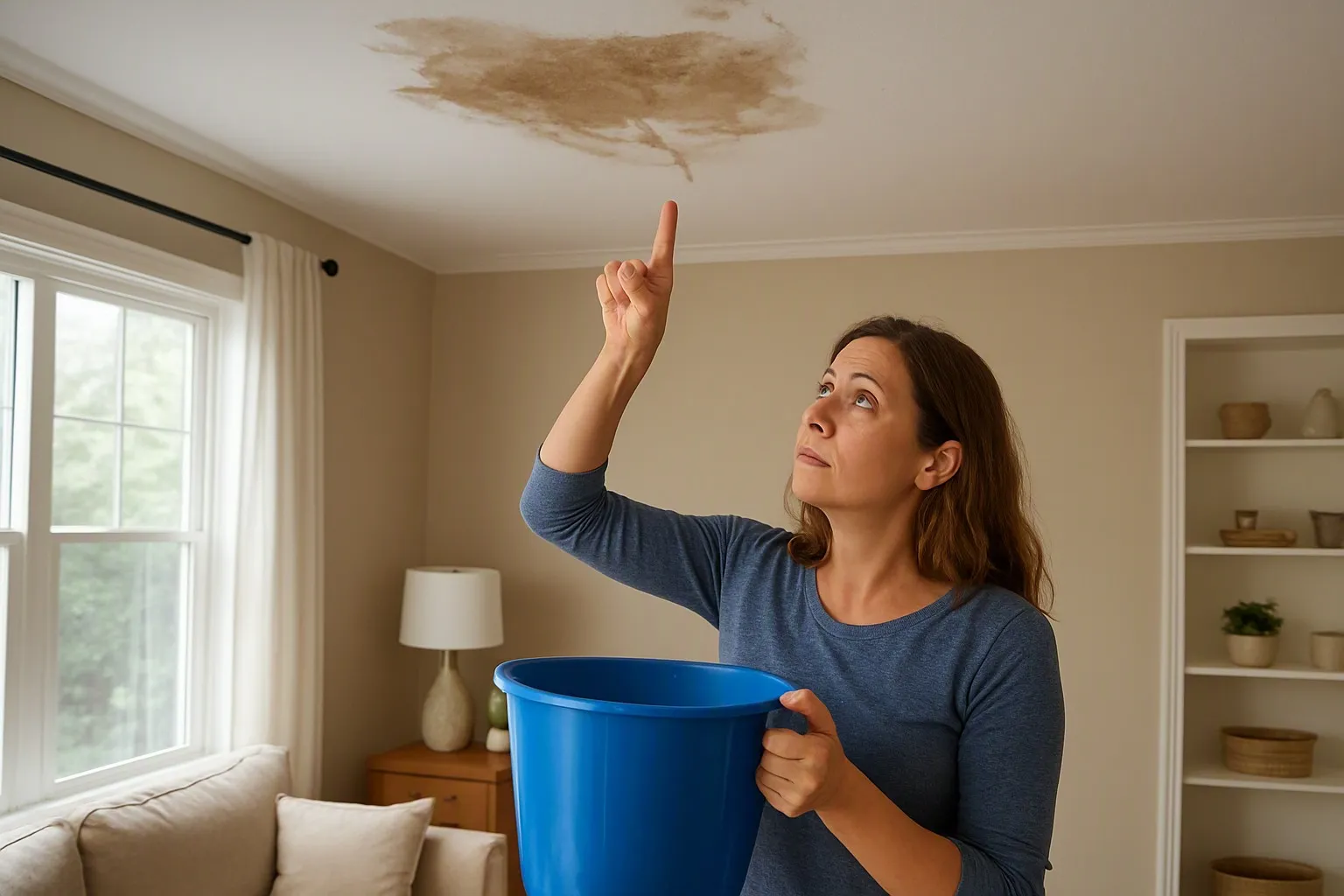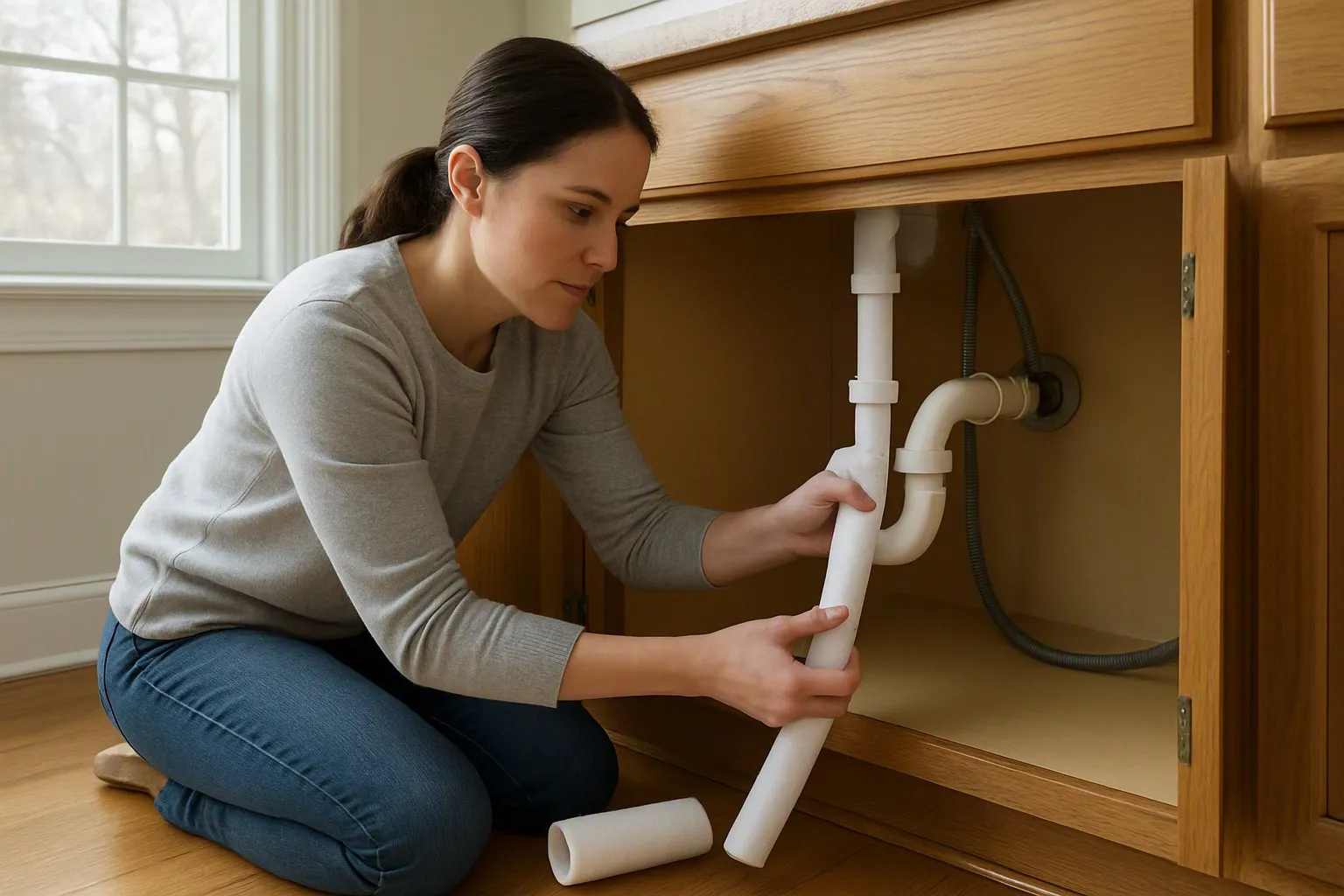
When the temperature drops below freezing, water inside your home’s pipes can turn to ice. Ice expands, puts pressure on the pipe walls, and can cause a burst. A burst pipe floods your floors, walls, and belongings – a nightmare you want to avoid.
We see this a lot during early winter storms. The good news is that most frozen‑pipe problems can be stopped before they start. Below you’ll find the exact steps we recommend, plus what to do if a pipe does freeze.
How to Prevent Frozen Pipes in Winter: The First 5 Minutes
Time is your biggest ally. As soon as you hear a hissing sound or see frost on a pipe, act fast. Shut off the main water valve – usually located near the water heater or where the line enters the house. Then open a faucet at the lowest point in your home to relieve pressure.
After the water is off, call our 24/7 team at (855) 235-1821. Our technicians are IICRC‑certified, serve all 50 states, and can be on site in about 60 minutes on average. We also work directly with insurance companies to ease the claim process.
Identify Vulnerable Pipes Early
Not every pipe is at equal risk. The most common trouble spots are:
- Exterior walls that aren’t heated.
- Basement or crawl‑space pipes that sit in cold air.
- Long runs of pipe under uninsulated attics.
- Pipes near windows or doors with drafts.
Walk through your home and feel each pipe. If it’s cold to the touch, note its location. Those are the pipes you’ll want to protect first.
Insulate Pipes the Right Way
Insulation works like a sweater for your pipes. It slows heat loss and gives the water a chance to stay liquid.
Materials You Can Use
- Foam pipe sleeves: Easy to cut, fit around ½‑inch to 2‑inch pipes. Cost $0.50‑$1.00 per foot.
- Fiberglass wrap: More flexible for odd shapes. Costs $1‑$2 per foot.
- Heat tape: Electrical cable that warms the pipe. Use only on pipes that stay below 40°F. Cost $1‑$3 per foot.
How to Install Foam Sleeves
- Measure the length of the exposed pipe.
- Cut the sleeve with a utility knife, leaving a ½‑inch overlap.
- Slide the sleeve over the pipe, making sure it fits snugly.
- Seal the ends with duct tape to keep warm air in.
For pipes in crawl spaces, we recommend adding a layer of rigid foam board on the floor before laying the insulation. This adds extra protection against cold ground.
Keep Heat Flowing When Temps Drop
Even the best insulation can’t help if the house temperature falls too low. Here’s how to keep heat moving:
- Set your thermostat to at least 55°F, even when you’re away.
- Leave cabinet doors under sinks open to let warm air circulate.
- Use a space heater in unheated rooms, but keep it away from flammable items.
If you have a smart thermostat, program it to boost heat for a few hours before a forecasted cold snap. The extra energy cost is tiny compared to a flooded floor.
Use Smart Devices and Simple Hacks
Technology can give you peace of mind.
Smart Leak Sensors
Place a sensor near high‑risk pipes. If it detects moisture, it sends an alert to your phone. Many sensors also shut off a connected water valve automatically.
Simple Home Hacks
- Wrap a towel around a pipe and secure it with rubber bands – a quick fix for a short cold spell.
- Pour warm (not hot) water over a frozen pipe for a few minutes to melt the ice.
- Keep garage doors closed if they contain water lines.
When a Pipe Does Freeze: What to Do
If you notice a frozen section, don’t panic. Follow these steps:
- Turn off the main water valve to prevent a burst.
- Open the faucet downstream of the frozen spot.
- Apply gentle heat – a hair dryer on low, a heating pad, or a portable space heater – moving from the warm end toward the frozen section.
- Never use an open flame.
- Once water flows, keep the faucet open until the pipe is fully thawed.
If you can’t locate the frozen area or the pipe doesn’t thaw after 30 minutes, call AB Water Damage. Our crew can safely thaw the pipe, assess damage, and start repairs fast.
How AB Water Damage Can Help Fast
We specialize in emergency water, flood, and mold restoration. Here’s what you get when you call us:
- 24/7 response – average arrival in about 60 minutes.
- IICRC‑certified technicians who know the best thaw‑and‑repair methods.
- Full insurance claim assistance – we document damage and work with adjusters.
- Nationwide service – we’re in all 50 states, so you’re never far from help.
Even if you just need a quick inspection, our team can give you a clear plan and cost estimate.
Insulation Options: Cost vs. Effectiveness
| Option | Cost Range (per foot) | Effectiveness |
|---|---|---|
| Foam Pipe Sleeves | $0.50‑$1.00 | High – good for most indoor pipes |
| Fiberglass Wrap | $1.00‑$2.00 | Medium – flexible, works in tight spaces |
| Heat Tape | $1.00‑$3.00 | Very High – best for extremely cold spots |
| Rigid Foam Board (crawl space) | $0.75‑$1.50 | High – adds bulk insulation |
DIY Insulation vs. Professional Insulation
Pros
- Lower cost upfront.
- Immediate results.
- Control over where insulation goes.
Cons
- May miss hidden pipes.
- Improper installation can leave gaps.
- Time‑consuming for large homes.
If you’re comfortable with a screwdriver and a utility knife, DIY can work for a few exposed sections. For whole‑house protection, especially in basements or attics, call AB Water Damage. We’ll seal every vulnerable pipe and guarantee the work.
Frequently Asked Questions
What temperature does water freeze inside a pipe?
Pure water freezes at 32°F (0°C). However, moving water can stay liquid a few degrees lower. Pipes in still water can freeze when the surrounding air is 20‑30°F.
Can I use a space heater to keep pipes warm?
Yes, but keep it at least three feet away from any flammable material. Use a heater with an automatic shut‑off feature for safety.
How long does it take for a pipe to burst after freezing?
It can happen within minutes once the ice expands enough. That’s why a quick response matters.
Will my homeowner’s insurance cover a burst pipe?
Most policies cover sudden water damage, but they may not pay for damage caused by neglect. That’s why we help you document the freeze and work with your insurer.
Do I need a professional to install heat tape?
Heat tape is safe if you follow the manufacturer’s instructions. If you’re unsure about electrical work, let our certified team handle it.
What should I do if I see water staining on my ceiling?
Turn off the main water valve, then call AB Water Damage at (855) 235-1821. We’ll locate the source, stop the leak, and start drying to prevent mold.
Don’t wait for a small freeze to become a costly flood. Call us now for fast, certified help.
Call AB Water Damage at (855) 235-1821